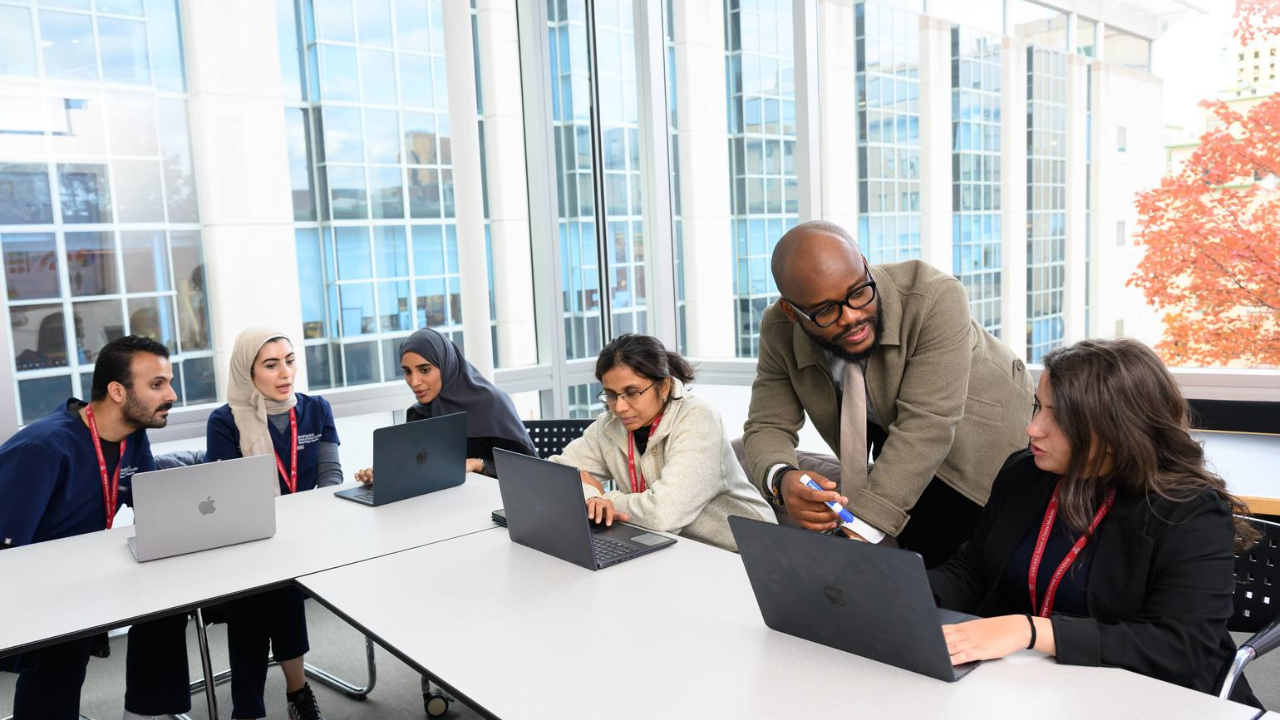
The Columbia Epidemiology Summer Institute provides specialized training in epidemiology, biostatistics, and public health research. For students and professionals aiming for careers in public health, this program can significantly enhance employability and professional competence. By offering practical skills, hands-on experience, and networking opportunities, the institute helps participants strengthen their career prospects and prepare for diverse public health roles.
Table of Contents
Program Overview
| Aspect | Key Details |
|---|---|
| Skills Gained | Study design, statistical analysis, data interpretation, and epidemiological methods |
| Career Relevance | Roles in public health agencies, NGOs, hospitals, and research institutions |
| Networking | Access to faculty, peers, and professionals for mentorship and collaboration |
| Credential Value | Certificate of completion recognized by public health employers |
Skill Development
The summer institute emphasizes practical skills essential for public health careers. Participants learn to design studies, analyze datasets, and interpret epidemiological findings accurately. These competencies are directly applicable to positions such as epidemiologist, data analyst, or public health officer.
Hands-on exercises and case studies simulate real-world public health scenarios, allowing students to apply knowledge immediately. This approach strengthens problem-solving, critical thinking, and decision-making skills, all of which are highly valued by employers in the field.
Career Opportunities
Graduates of the program can pursue a variety of roles in governmental health agencies, international organizations, hospitals, non-governmental organizations, and research institutions. Common positions include epidemiologists, public health analysts, program evaluators, research assistants, and policy advisors.
The practical expertise gained in the program gives participants a competitive edge when applying for jobs or internships. Employers often value the applied skills, analytical experience, and the certificate that demonstrates dedication to professional growth in public health.
Networking Advantages
The program offers valuable opportunities to connect with faculty, peers, and professionals in public health. Networking can lead to mentorship, collaborative research projects, and potential job opportunities.
International and domestic participants benefit from exposure to diverse perspectives, emerging trends, and professional contacts. These relationships can support long-term career development and guide navigating the competitive public health job market.
Credential Recognition
While the summer institute certificate is not a formal degree, it holds significant value for professional development. Employers recognize the practical training and knowledge gained, which can improve employability and credibility in public health roles.
Participants can highlight hands-on research experience, statistical skills, and applied epidemiology expertise in resumes and interviews. This recognition strengthens their professional profile and enhances opportunities for career advancement.
Strategic Planning
To maximize the program’s career benefits, students should select courses aligned with their professional goals. Actively engaging in projects, applying learned skills in practical settings, and leveraging faculty mentorship enhances the program’s value for public health careers.
Integrating program experiences into professional portfolios, using the certificate to demonstrate expertise, and maintaining professional connections ensure tangible benefits in the job market. This strategic approach helps participants translate their summer institute experience into real-world career outcomes.
Research Experience
The summer institute provides opportunities for research experience that can be applied to both academic and professional settings. Participants may work with real epidemiological datasets, perform statistical analyses, and develop insights that inform public health interventions.
This exposure to applied research enhances analytical capabilities and strengthens a student’s resume. For those considering graduate programs or research positions, such experience demonstrates practical knowledge and a commitment to evidence-based approaches.
Global Exposure
International students benefit from engaging with a diverse cohort at the Columbia Summer Institute. Exposure to global public health issues, cross-cultural perspectives, and international case studies broadens understanding and enhances adaptability in global health careers.
Learning alongside peers from different regions provides insight into worldwide disease patterns and health interventions. This global perspective is increasingly valuable for careers in international public health agencies, NGOs, and policy-making institutions.
Professional Skills
Beyond technical knowledge, the program enhances professional skills such as communication, teamwork, and leadership. Participants collaborate on projects, present findings, and engage in discussions that simulate real public health work environments.
These soft skills complement the technical expertise gained and are essential for advancing in professional roles. Employers often value graduates who can translate data insights into actionable recommendations and communicate effectively with stakeholders.
Job Market Advantage
Completing the Columbia Epidemiology Summer Institute provides a competitive advantage in the job market. The combination of technical skills, research experience, and networking opportunities prepares participants for a variety of public health positions.
Candidates who demonstrate applied knowledge, professional engagement, and a recognized certificate are often preferred for roles requiring strong analytical and practical skills. This advantage can lead to better employment opportunities, career growth, and higher earning potential.
The Bottom Line
The Columbia Epidemiology Summer Institute is highly valuable for those pursuing public health careers. It provides practical skills, applied research experience, global exposure, and professional networks that enhance employability and effectiveness. By strategically leveraging knowledge, projects, and networking, graduates can strengthen their professional profile and pursue diverse roles in public health, research, and policy development.