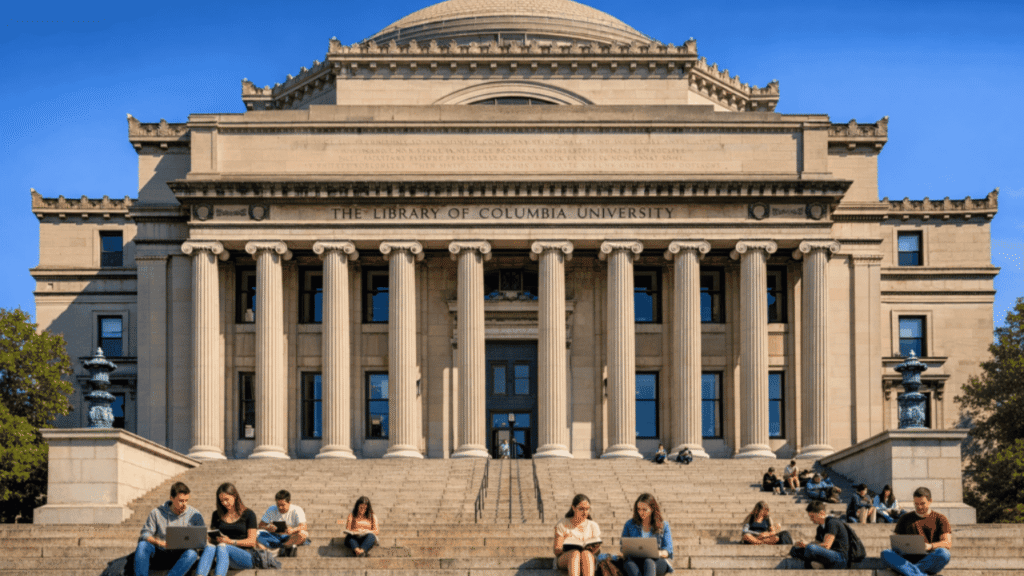
The Columbia Epidemiology Summer Institute is a prestigious program that attracts students from around the world. While it provides valuable learning opportunities, cost can be a major consideration, especially for international students. Beyond tuition, students need to plan for living expenses, materials, and possible certification fees, all of which affect overall affordability. Evaluating these factors carefully helps students determine whether the program fits their budget and academic goals.
Table of Contents
Cost Overview
| Expense Type | Estimated Amount |
|---|---|
| Course Fees | $250–$1,800 per course depending on course length and content |
| Living Expenses | $1,500–$3,000 per month in New York City for housing, food, and transportation |
| Materials | $100–$500 for textbooks, lab kits, and software |
| Scholarships | Limited number of merit-based and need-based awards available |
Tuition Fees
Course fees at the Columbia Epidemiology Summer Institute vary depending on the course selection and duration. Individual courses can range from around $250 for short modules to over $1,800 for more intensive sessions. Because the program is modular, students can choose the number of courses they wish to take, giving flexibility to manage tuition costs based on their budget.
Early registration often provides a discounted rate, allowing students to save on tuition if they plan. International students should consider both course fees and additional costs when determining whether the program is affordable. Careful comparison of courses and planning for total expenses helps ensure that financial constraints do not limit participation.
Scholarship Options
Scholarships are available for a limited number of students in selected courses. These awards are often merit-based or need-based and can significantly reduce the cost of attending the summer program. International students can apply for these scholarships, but competition is strong, and awards are granted on a case-by-case basis.
Applying for scholarships requires careful preparation, including the submission of academic records, essays, or recommendation letters. Students who secure scholarships benefit not only from reduced tuition costs but also from recognition of their achievements and potential, enhancing the overall value of the program experience.
Living Expenses
Living in New York City presents one of the largest expenses for international students. Housing, meals, transportation, and personal costs can quickly accumulate, often exceeding the cost of tuition itself. Shared apartments or dormitory-style housing may offer some savings, while private accommodations tend to be more expensive.
Transportation, including subway passes or ridesharing, adds another layer of cost. Students must budget for groceries, meals, and everyday essentials, as well as emergency expenses. Effective planning and cost-saving strategies, such as cooking at home and using public transportation, can make living in the city more manageable.
Materials Costs
Course materials, such as textbooks, lab kits, and software licenses, are often required for completion of certain summer institute courses. Some materials may be included in the tuition, while others must be purchased separately. These costs typically range from $100 to $500, depending on the courses selected.
Students can save money by buying used textbooks, sharing lab kits when possible, or accessing online resources. Preparing for material costs ahead of time ensures that students have all the necessary resources for learning without facing unexpected expenses during the program.
Financial Planning
Proper financial planning is essential for international students considering the Columbia Epidemiology Summer Institute. Estimating total costs, including tuition, living expenses, materials, and optional certifications, allows students to create a realistic budget.
Exploring scholarships, early registration discounts, and cost-saving strategies can make participation more affordable. Students should also consider external funding opportunities from organizations in their home country or other educational foundations to supplement their budget. Early preparation and careful planning help reduce financial stress and allow students to focus on their studies and professional development.
Affordability Assessment
Affordability varies widely depending on the number of courses taken, access to scholarships, and the ability to manage living expenses. Students who secure scholarships, plan their housing and meals wisely, and apply for early registration may find the program financially feasible. Those relying entirely on self-funding may face higher overall costs due to New York City’s living expenses.
Evaluating the total cost against the benefits of the program, including skill development, networking, and professional growth, is essential. Students should weigh these factors carefully to determine whether participation aligns with their financial situation and long-term career goals.
Key Takeaways
The Columbia Epidemiology Summer Institute offers a valuable academic experience for international students, but affordability depends on careful planning and resource management. Tuition costs, living expenses, materials, and limited scholarship opportunities must all be considered when calculating total program costs. Early preparation, budgeting, and exploration of scholarships or external funding can make participation more accessible. With proper planning, international students can take full advantage of the program’s academic and professional opportunities without undue financial strain.