The Columbia Epidemiology Summer Institute provides intensive training in epidemiology, biostatistics, and public health research, making it a valuable experience for students and professionals pursuing MPH, PhD, or medical careers. The program equips participants with critical analytical skills, practical knowledge, and professional connections that enhance academic and clinical trajectories. Understanding how the summer institute aligns with these career paths helps students plan effectively and maximize the program’s benefits.
Table of Contents
Impact Overview
| Career Path | Program Benefits |
|---|---|
| MPH Students | Strengthens research skills, statistical analysis, and public health methodology; prepares for fieldwork |
| PhD Candidates | Provides foundation in study design, data analysis, and research methods; enhances dissertation readiness |
| Medical Professionals | Improves understanding of population health, epidemiological trends, and evidence-based practices |
| Networking | Access to faculty, peers, and professional contacts to support academic and clinical growth |
MPH Advantages
For students pursuing a Master of Public Health (MPH), the summer institute complements formal coursework by offering applied experience in epidemiology and public health research. Participants gain proficiency in data collection, study design, and statistical analysis, which strengthens their ability to conduct independent projects during the MPH program.
The program also prepares students for fieldwork, internships, and capstone projects by providing practical insights into disease surveillance, population health trends, and intervention strategies. These skills make MPH students more competitive in applying for advanced research projects and internships, bridging the gap between theory and practice.
PhD Benefits
PhD candidates in epidemiology, public health, or related fields gain a solid foundation in research methodology through the summer institute. The program teaches participants to critically evaluate studies, design rigorous research protocols, and perform advanced statistical analyses.
This foundation enhances dissertation readiness by allowing students to apply practical skills in data analysis and research design to their own research projects. Exposure to diverse methodologies and faculty expertise helps PhD students develop innovative approaches and strengthens their overall academic portfolio.
Medical Career Support
Medical professionals benefit from the program by gaining a population health perspective that complements clinical practice. Understanding epidemiological trends, risk factors, and health interventions enhances decision-making and patient care.
The program equips physicians, nurses, and allied health professionals with the tools to interpret research findings, assess public health data, and implement evidence-based strategies in clinical or community settings. This integration of epidemiology into medical practice improves patient outcomes and informs public health initiatives.
Research Opportunities
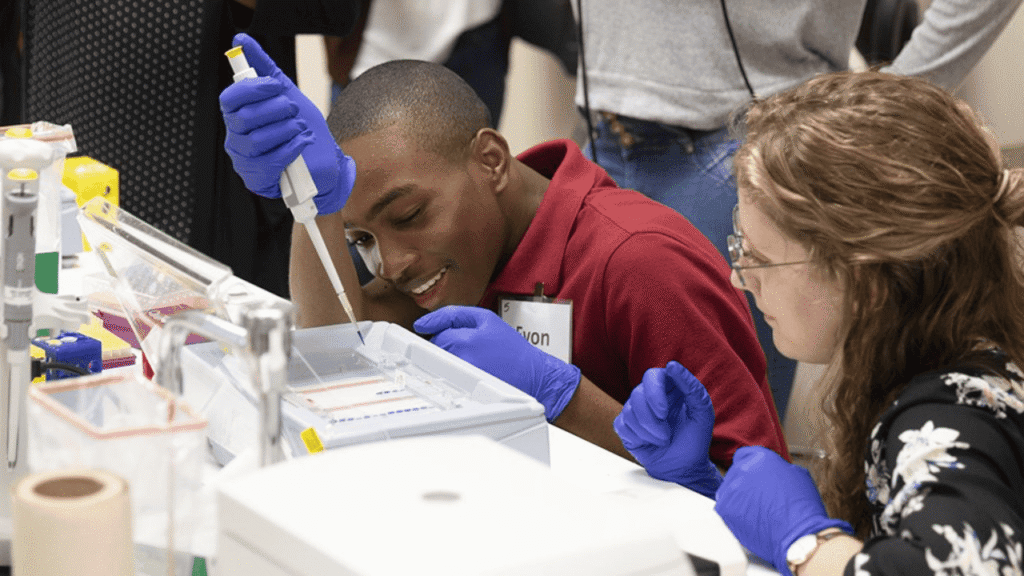
Participation in the summer institute provides hands-on research opportunities, including analyzing real-world datasets and conducting epidemiological studies. These experiences enhance problem-solving skills and foster critical thinking, both of which are essential for MPH projects, PhD dissertations, and evidence-based medical practice.
Students can leverage these experiences to contribute to publications, present findings at conferences, or collaborate on research projects. Exposure to rigorous academic research enhances both professional credibility and career advancement opportunities.
Networking Benefits
The institute fosters connections with faculty, peers, and public health professionals. These networks provide mentorship, career guidance, and potential collaborations across academia and healthcare.
For MPH and PhD students, networking can lead to research partnerships, fellowship opportunities, and access to specialized resources. Medical professionals can use these connections to stay updated on emerging health trends, develop clinical research initiatives, and improve patient care through public health insights.
Strategic Planning
To maximize the benefits for MPH, PhD, and medical careers, students should select courses that align closely with their professional goals. Engaging actively in projects, seeking mentorship from faculty, and applying learned skills in ongoing research or clinical work enhances the program’s impact.
Planning ensures that participants integrate summer institute experiences into long-term career development. Using the certificate, research skills, and professional connections strategically can significantly advance both academic and clinical pathways.
In Summary
The Columbia Epidemiology Summer Institute strengthens academic and professional careers across MPH, PhD, and medical pathways. By providing practical skills in epidemiology, research design, and data analysis, the program enhances competence, credibility, and career opportunities. Networking, research exposure, and applied training make the institute a valuable investment, bridging education and professional practice while fostering long-term growth in public health and medicine.