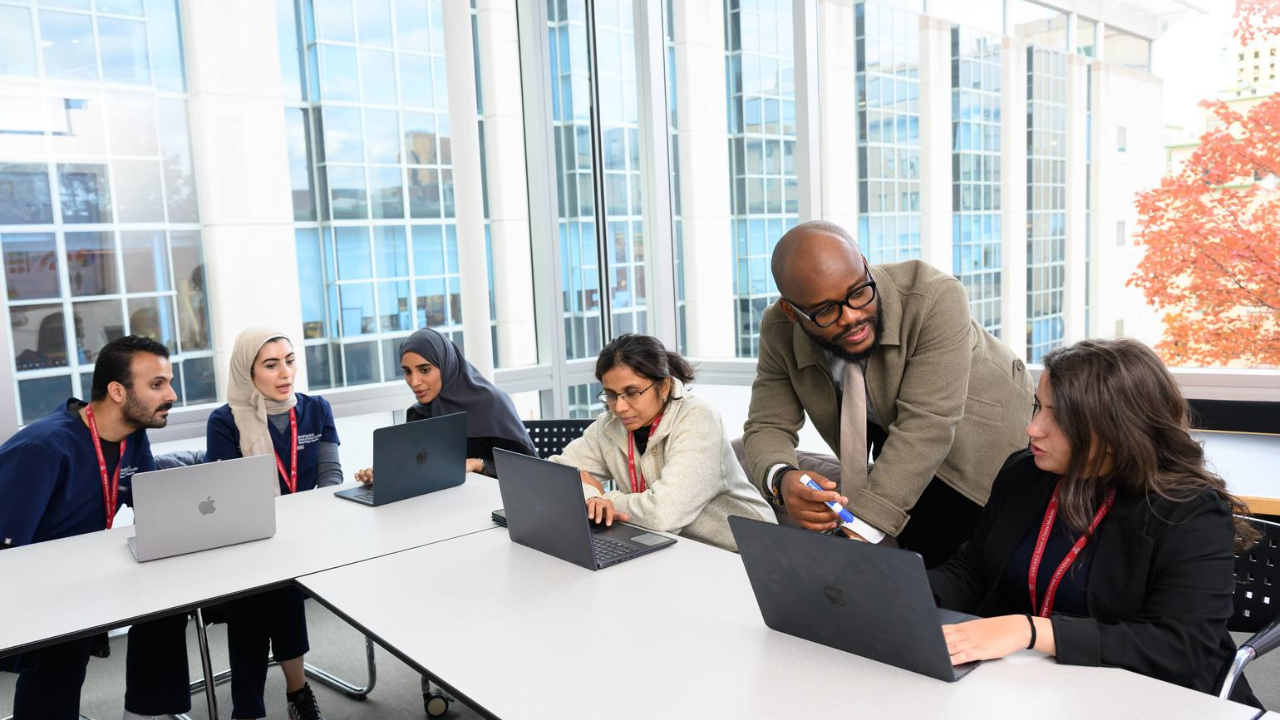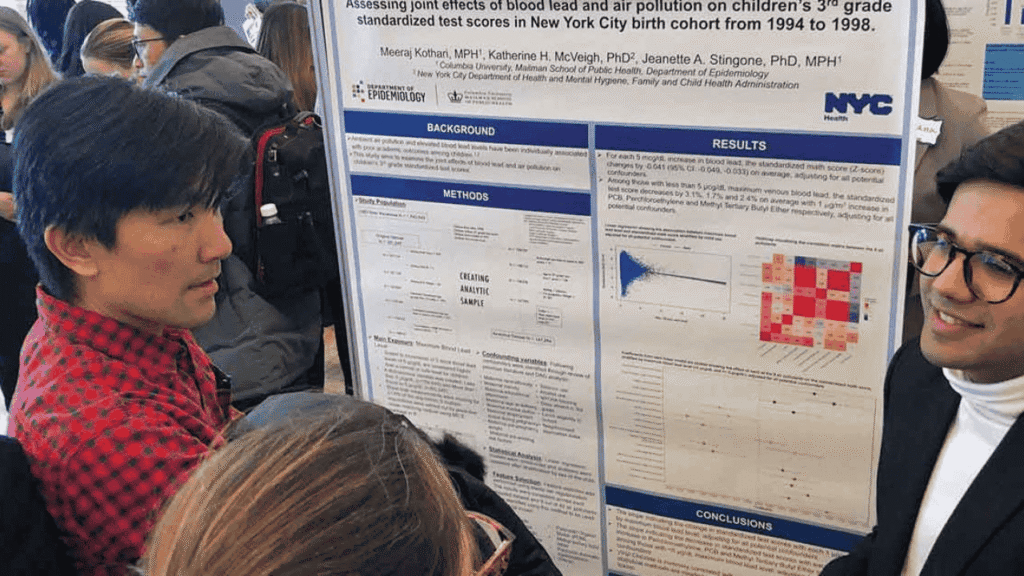
The Columbia University Epidemiology Summer Institute (episummer@columbia) offers global learners an opportunity to build foundational and applied skills in epidemiology and population health research. Understanding eligibility criteria is essential before applying. The institute’s online structure accommodates a wide range of participants—from students to public health professionals—while maintaining academic standards. This article explains who can apply, what prerequisites may be expected, and how different backgrounds fit the program’s requirements.
Table of Contents
Overview: Eligibility Criteria
| Criteria Category | Requirements |
|---|---|
| Academic Background | Undergraduate or graduate students, professionals with relevant experience |
| Professional Experience | Public health, healthcare, research, policy, or related fields recommended |
| Technical Requirements | High‑speed internet, access to online learning platforms |
| Language Proficiency | Proficiency in English (instruction and materials in English) |
| Age Requirement | Typically 18 years or older |
| Prerequisite Knowledge | Basic familiarity with public health terminology is recommended |
Academic Background
Applicants to episummer@columbia typically include undergraduate and graduate students with interests in public health, epidemiology, biostatistics, or related disciplines. The program’s coursework covers foundational and intermediate topics, so some exposure to health sciences or data analysis can be beneficial.
However, the institute also welcomes learners from other academic backgrounds who are seeking to pivot to public health or enhance their analytical skills. Students currently enrolled in degree programs may use episodic coursework to supplement their studies, while alumni or professionals may deepen their expertise. Formal academic transcripts are not required for most courses, but applicants should be prepared to demonstrate readiness for graduate‑level instruction.
Professional Experience
While episummer@columbia does not typically require specific professional experience, participants with relevant backgrounds in public health, research, healthcare, policy analysis, or program implementation often benefit most from the training. Professionals engaged in disease surveillance, health services research, or epidemiological studies often find immediate applicability in their work.
Those without formal public health experience but with related analytical, research, or healthcare exposure may still apply. The institute’s varied course levels differentiate content so that participants with diverse experiences can engage meaningfully. For advanced courses, prior experience with epidemiological methods or data analysis may be recommended, though not strictly mandatory.
Technical Requirements
All participants must have access to high‑speed internet and a stable connection, as courses are delivered online. Synchronous (live) courses require video conferencing capability and reliable bandwidth to support real‑time interaction with instructors and peers. Asynchronous courses depend on streaming video, lecture downloads, file sharing, and discussion forums, so participants should ensure their devices and connections can handle multimedia content.
Technical proficiency with online learning platforms, basic familiarity with web browsers, and comfort with digital collaboration tools enhance the learning experience. While Columbia provides guidance on accessing course materials, applicants should be prepared to navigate virtual classrooms confidently.
Language Proficiency
Instruction at episummer@columbia is conducted in English, and applicants should be proficient in reading, writing, and speaking English. Courses involve technical terminology, academic readings, group discussions, and written exercises. While formal English language test scores are not typically required for non‑degree summer courses, participants should have sufficient command of the language to engage fully with lectures, assignments, and instructor feedback.
Participants who are non‑native English speakers may benefit from reviewing epidemiology and public health vocabulary in advance to ensure comprehension and active participation.
Age Requirement
Most courses at episummer@columbia are open to adult learners, typically 18 years or older. This aligns with general university continuing education policies. Younger learners interested in epidemiology may explore foundational courses elsewhere before participating, given the technical rigor and professional orientation of the summer institute.
Applicants under 18 should check specific course requirements and contact program administrators if special arrangements or approvals are needed, though such exceptions are uncommon.
Prerequisite Knowledge
Although the program is designed to accommodate learners with varying levels of background, some courses may recommend or expect basic familiarity with public health concepts or quantitative reasoning. This includes understanding terminology in epidemiology, basic statistical literacy, and comfort with data interpretation.
For advanced courses that delve into biostatistics, modeling, or specialized methodologies, participants may be advised to complete introductory modules or review relevant preparatory materials. This helps ensure that learners derive full benefit from course content and can engage in applied exercises effectively.
Application Process
Eligibility is verified through the registration process rather than formal admissions. Applicants provide personal and professional information, select courses, and confirm they meet technical and preparatory requirements. No extensive application essays or formal letters of recommendation are typically required for episummer@columbia courses.
Registration deadlines and course availability are published in advance, and prospective participants should review course descriptions carefully to ensure their background aligns with the content and learning outcomes. Early registration is encouraged due to limited seats in synchronous sessions.
Financial Considerations
The institute is a fee‑based program, and eligibility includes financial readiness to cover course fees. While the cost structure is generally more accessible than full degree programs, participants should budget for tuition, technology needs, and any personal resources required for study. Some employers and institutions support continuing education, so learners may explore sponsorship or reimbursement options.
Financial support or scholarships are not universally provided, but applicants are encouraged to inquire about any available funding or discounts that Columbia may offer. Planning ensures that eligible participants can enroll without undue financial strain.
Learning Outcomes Alignment
Eligibility is also tied to learning goals—participants should identify clear objectives for what they intend to gain from the institute. Those seeking foundational exposure to epidemiology, skill enhancement in research methods, or applied public health competencies will find courses aligned with their goals.
Individuals whose professional or academic trajectories involve data interpretation, health program evaluation, or policy development will particularly benefit. Clearly articulating learning outcomes before registration helps applicants choose appropriate course levels and format options.
Looking Ahead
episummer@columbia welcomes a wide range of learners, including students, professionals, researchers, and policy makers with interests in epidemiology and population health. Eligibility centers on academic readiness, English proficiency, technical access, and a commitment to engage with graduate‑level content. While no strict admissions process is required, applicants should assess their background and goals to select courses that match their experience and aspirations. Looking ahead, the summer institute continues to refine its offerings, expand access, and integrate technological advances in online delivery. Graduates of the program emerge with stronger analytical skills, practical research capabilities, and the confidence to contribute meaningfully to global public health research and practice.