The Columbia University Epidemiology Summer Institute offers specialized courses in biostatistics and data analysis, catering to both beginners and advanced learners. These courses focus on equipping participants with the statistical tools and computational skills necessary for modern epidemiological research. Emphasis is placed on practical application, ensuring that students can translate theoretical concepts into actionable insights in public health studies.
The curriculum is designed to be intensive yet flexible, with hands-on exercises using real-world datasets. Participants are introduced to essential statistical methods, software tools, and best practices for data management, all under the guidance of experienced faculty members. This combination of theory and practice prepares attendees for careers in epidemiology, clinical research, and public health analytics.
Table of Contents
Course Overview
| Course Aspect | Details |
|---|---|
| Target Audience | Public health professionals, graduate students, researchers |
| Duration | 2–6 weeks, depending on course selection |
| Format | In-person, hybrid, or online options |
| Software Covered | R, SAS, Stata, SPSS |
| Focus Areas | Regression analysis, survival analysis, data visualization, Bayesian methods |
| Prerequisites | Basic statistics knowledge is recommended for advanced courses |
Beginner Courses
Beginner-level courses in biostatistics emphasize fundamental statistical concepts such as probability distributions, hypothesis testing, and descriptive statistics. Students learn how to summarize, visualize, and interpret epidemiological data effectively. The course also introduces participants to statistical software for basic data management and analysis, providing a strong foundation for more advanced studies.
In addition, beginners gain hands-on experience with dataset cleaning, exploratory data analysis, and reporting. Interactive workshops and assignments reinforce theoretical lessons, helping students gain confidence in interpreting study results. These courses are ideal for public health professionals who want to improve their analytical skills or graduate students preparing for epidemiology research projects.
Advanced Courses
Advanced biostatistics courses focus on complex statistical methods and modeling techniques relevant to large-scale epidemiological research. Topics include multivariate regression, survival analysis, longitudinal data modeling, and advanced data visualization. Students also explore Bayesian methods and simulation techniques to address real-world public health problems.
Hands-on exercises with large, real-world datasets allow participants to practice implementing advanced analyses and interpreting results for research publications. The courses are highly interactive, often involving group projects and discussions. These advanced sessions are designed for those with prior statistical knowledge or experience in data analysis, providing deeper insight into cutting-edge biostatistical techniques.
Software Training
A key component of the Summer Institute’s biostatistics courses is software training. Participants gain proficiency in widely-used statistical programs such as R, SAS, Stata, and SPSS. Instruction covers both coding skills and GUI-based workflows, catering to different learning preferences. Students learn to manipulate datasets, run statistical tests, and generate meaningful visualizations efficiently.
The software training is integrated into the course projects, ensuring that students apply their coding knowledge to real epidemiological datasets. This practical approach not only improves technical skills but also enhances students’ ability to communicate results effectively to peers and stakeholders in research and public health practice.
Data Analysis Workshops
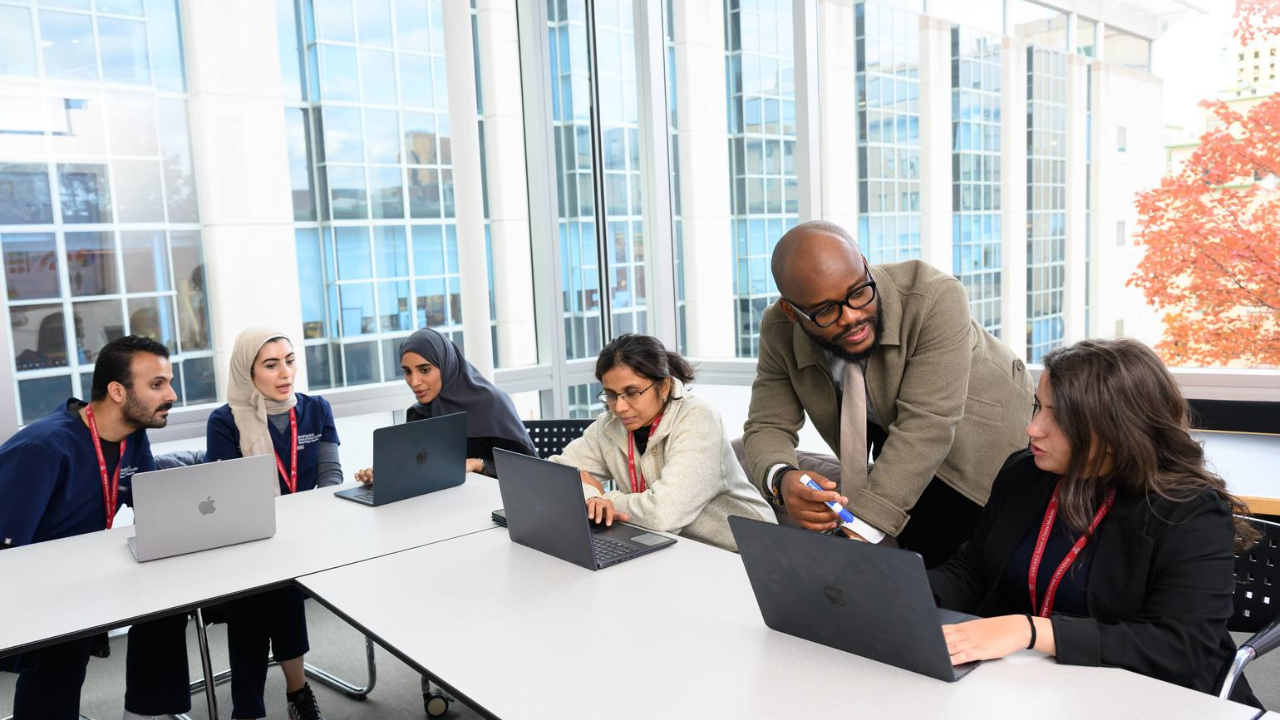
Data analysis workshops are offered throughout the Summer Institute, focusing on practical applications of statistical concepts. Workshops often use case studies and real-world datasets, simulating challenges faced by public health researchers. Participants learn to identify trends, evaluate associations, and draw conclusions that can inform policy and healthcare interventions.
Interactive exercises encourage collaboration among participants and provide opportunities to troubleshoot common issues in data analysis. Workshops also emphasize reproducibility and ethical considerations in handling sensitive health data, preparing attendees to conduct responsible and high-quality research.
Project-Based Learning
Project-based learning is a central feature of the Summer Institute. Students apply the knowledge gained in biostatistics and data analysis courses to independent or group projects. These projects often replicate published epidemiological studies or analyze newly collected datasets. Participants are guided through the entire research process, from study design to statistical analysis and result interpretation.
The project-based approach helps students integrate theory and practice, reinforcing concepts learned in lectures and workshops. By the end of the program, participants not only have a solid foundation in biostatistics but also tangible experience producing analytical reports that can contribute to their academic or professional portfolios.
Career Impact
Completing biostatistics and data analysis courses at the Summer Institute significantly enhances career prospects in public health, epidemiology, and clinical research. Graduates acquire skills highly valued by research institutions, government agencies, and healthcare organizations. The program also provides networking opportunities with faculty and fellow participants, fostering connections that can support collaborative research and professional development.
The combination of theoretical knowledge, hands-on practice, and exposure to real-world data prepares students to contribute meaningfully to evidence-based public health decisions. Participants leave with the confidence and competence to tackle complex epidemiological questions and advance their careers in health research and analytics.
Wrapping Up
The biostatistics and data analysis courses at the Columbia Epidemiology Summer Institute provide a rigorous, practical, and highly valuable learning experience. With courses tailored to different skill levels, integrated software training, hands-on workshops, and project-based learning, participants gain a comprehensive understanding of statistical methods and data interpretation. For anyone looking to advance their career in public health or epidemiology, these courses offer essential skills and knowledge that can make a lasting impact.