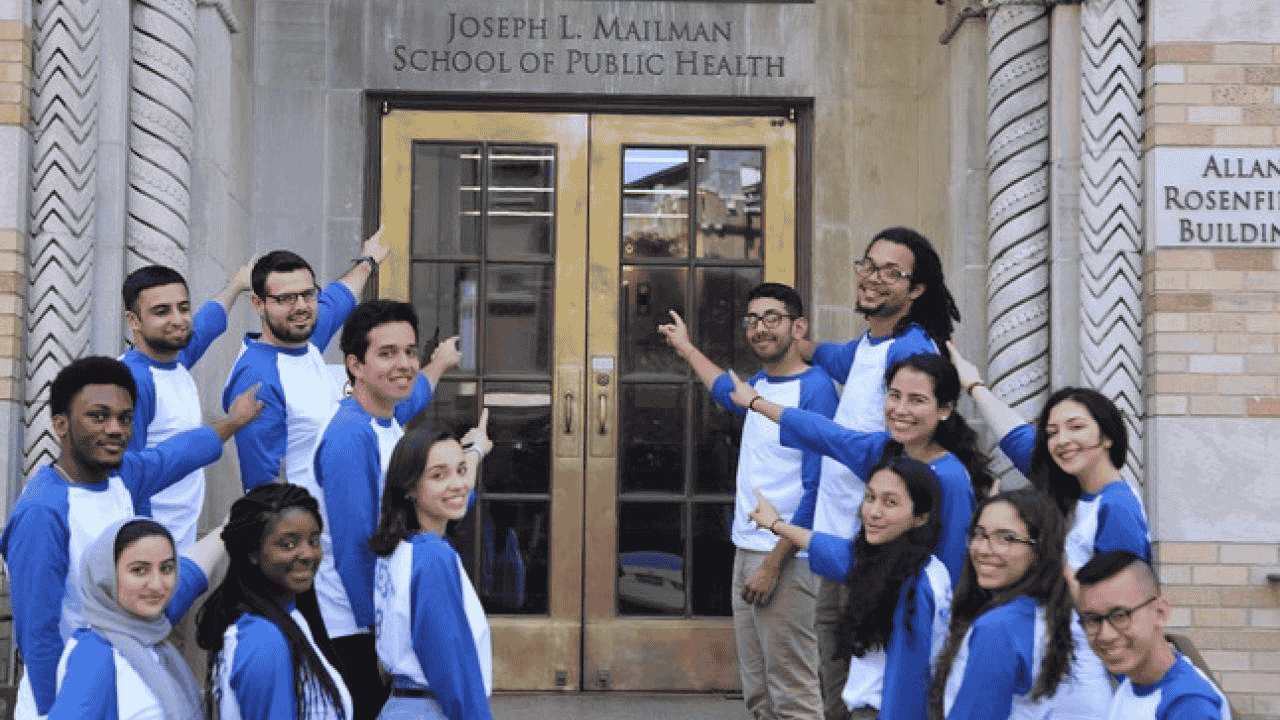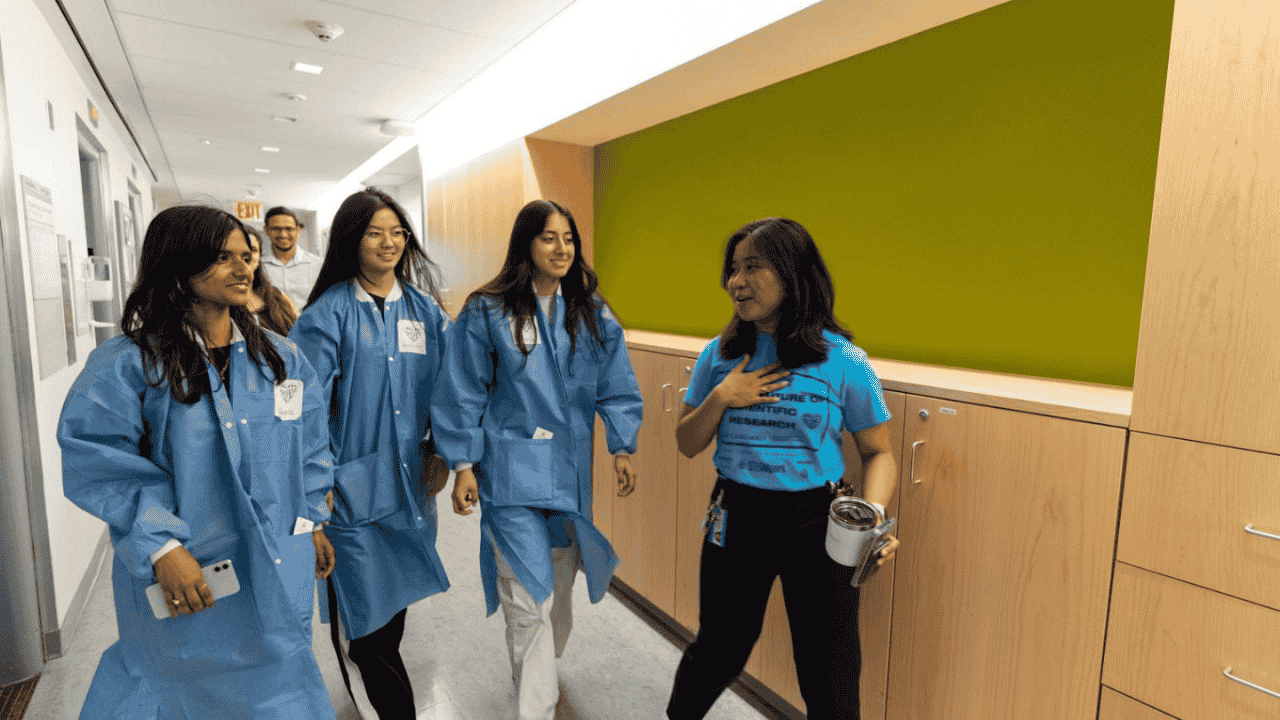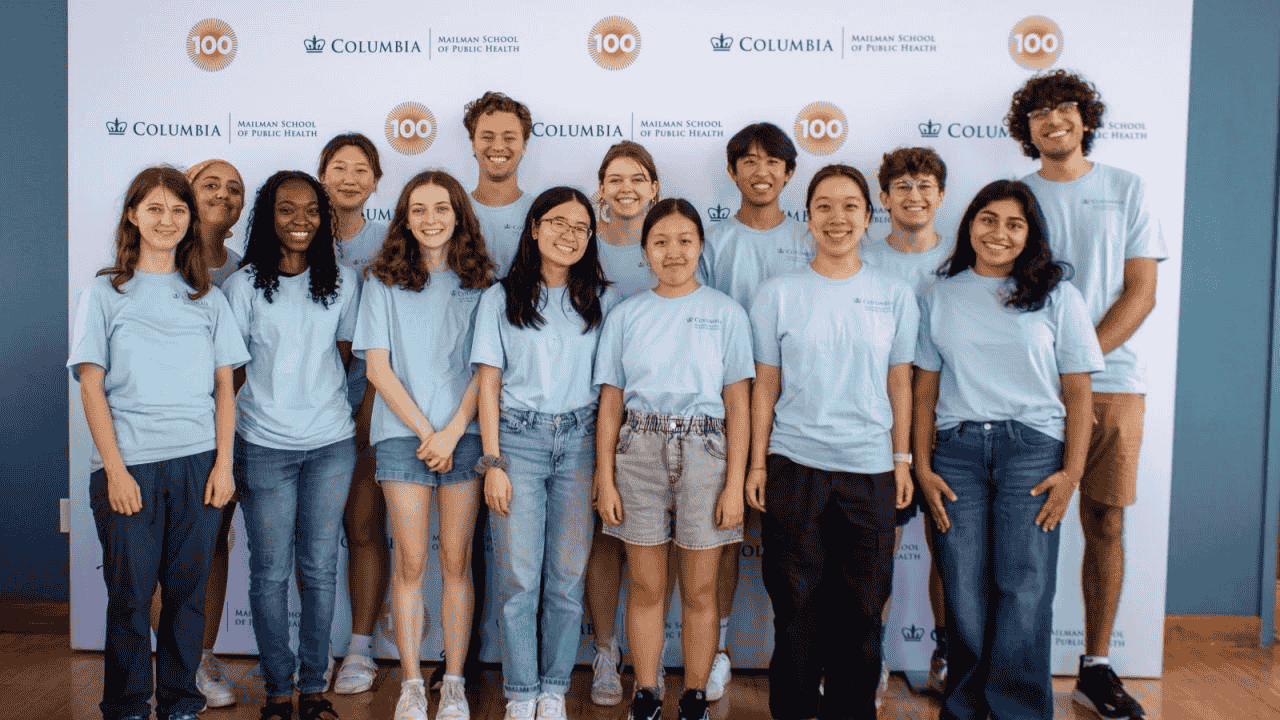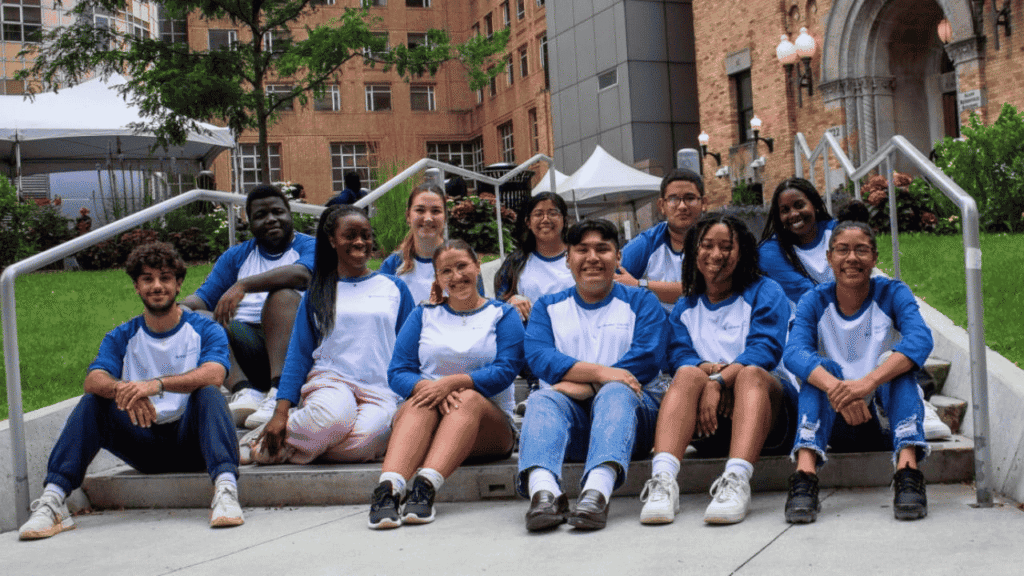
Columbia University’s episummer@columbia offers global participants access to high-quality epidemiology training each June. Designed for both students and professionals, the program provides foundational knowledge and applied skills in population health research. The institute’s flexible online formats—synchronous or asynchronous—allow learners worldwide to engage in coursework without disrupting work or study schedules.
Table of Contents
Overview: Ideal Participants
| Participant Type | Why They Should Apply |
|---|---|
| Public Health Professionals | Gain practical epidemiology skills for program implementation and policy design. |
| Researchers & Academics | Enhance expertise in study design, data analysis, and research methodology. |
| Students | Build foundational knowledge in epidemiology and population health for career development. |
| Healthcare Practitioners | Integrate population-level data into clinical practice and preventive care. |
| Policy Makers & Analysts | Learn to interpret epidemiological data for evidence-based policy and decision-making. |
Public Health Professionals
Public health professionals benefit from episummer@columbia’s applied courses, which focus on designing studies, analyzing health data, and implementing evidence-based interventions. Synchronous courses allow direct interaction with faculty and peers, promoting knowledge exchange and practical learning.
Participants gain the skills necessary to monitor population trends, respond to health emergencies, and address complex public health challenges. Flexible online delivery ensures that professionals can participate fully while maintaining workplace responsibilities.
Researchers & Academics
Researchers and academics seeking to strengthen methodological skills find the institute particularly valuable. Advanced courses in biostatistics, epidemiological methods, and research design prepare participants to conduct rigorous studies and generate impactful findings.
Engagement with global peers exposes participants to diverse research approaches and datasets, enhancing analytical skills and fostering collaborative opportunities. This prepares learners to contribute high-quality research to the field of population health.
Students
Graduate and undergraduate students gain a structured foundation in epidemiology and public health research. Courses cover key principles, statistical methods, and practical applications, preparing learners for further studies or careers in the field.
Students also benefit from networking with faculty and an international cohort of peers. Exposure to case studies and real-world research examples helps students contextualize learning and gain hands-on insights into population health practice.
Healthcare Practitioners
Healthcare practitioners, including clinicians, nurses, and allied health professionals, learn to interpret population-level data and integrate research insights into patient care. This enhances preventive strategies, clinical decision-making, and community health initiatives.
Courses focus on translating epidemiological evidence into practice. Practitioners develop the skills to assess disease trends, monitor outcomes, and implement interventions that improve public health outcomes across populations.
Policy Makers & Analysts
Policy makers and public health analysts gain knowledge in interpreting data, evaluating programs, and forecasting population health trends. Courses provide tools to translate epidemiological findings into actionable policies that improve community health.
Participants learn to design interventions based on evidence, assess their effectiveness, and plan resource allocation. This skill set strengthens decision-making processes at local, national, and global levels.
Global Networking
A key benefit of episummer@columbia is the opportunity to build global professional networks. Participants engage with peers, instructors, and public health experts from around the world, fostering cross-cultural collaboration and knowledge sharing.
These connections provide ongoing professional support, potential research collaborations, and exposure to diverse perspectives in epidemiology. Networking enriches the learning experience and extends the program’s impact far beyond the course duration.
Summing Up
episummer@columbia is suitable for a wide range of participants, including public health professionals, researchers, students, healthcare practitioners, and policy makers. The program combines rigorous coursework, flexible online delivery, and global networking opportunities to equip learners with applied skills and methodological expertise. Looking ahead, the institute will continue expanding course offerings, integrating innovative online technologies, and providing real-time data applications, ensuring participants remain at the forefront of epidemiology research. Graduates leave prepared to implement evidence-based interventions, advance public health research, and make informed decisions in diverse professional and global contexts.