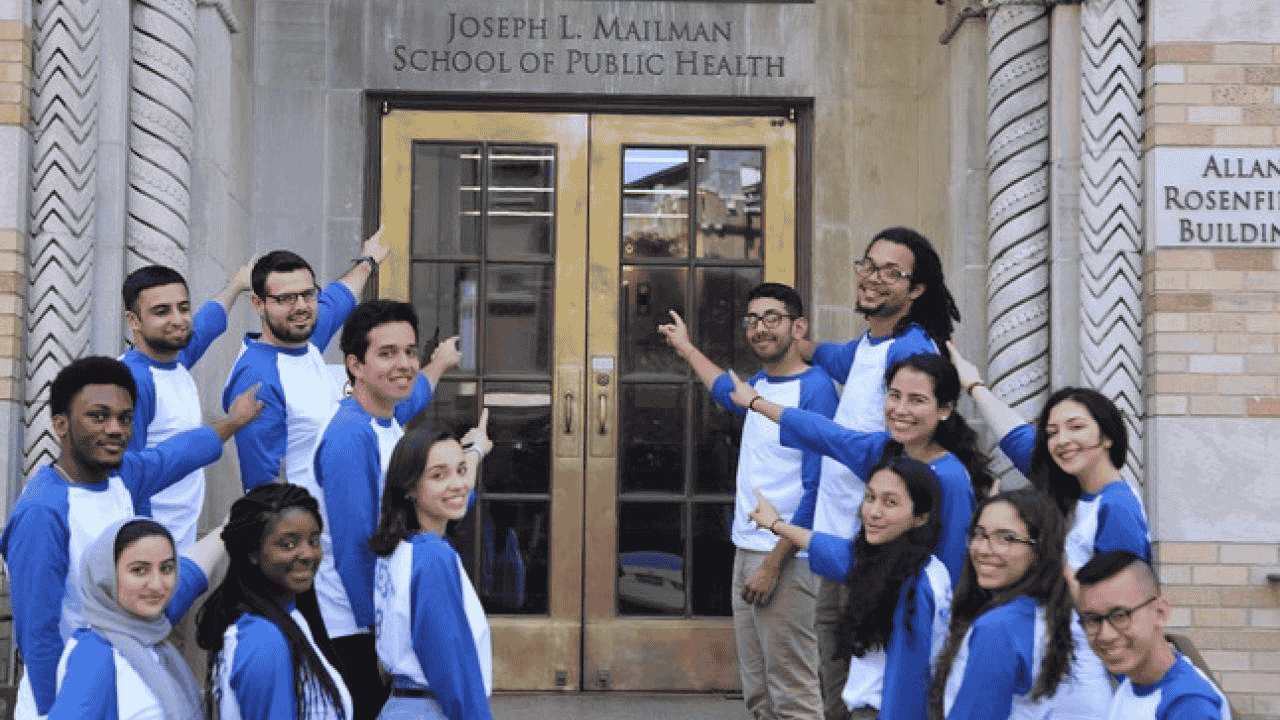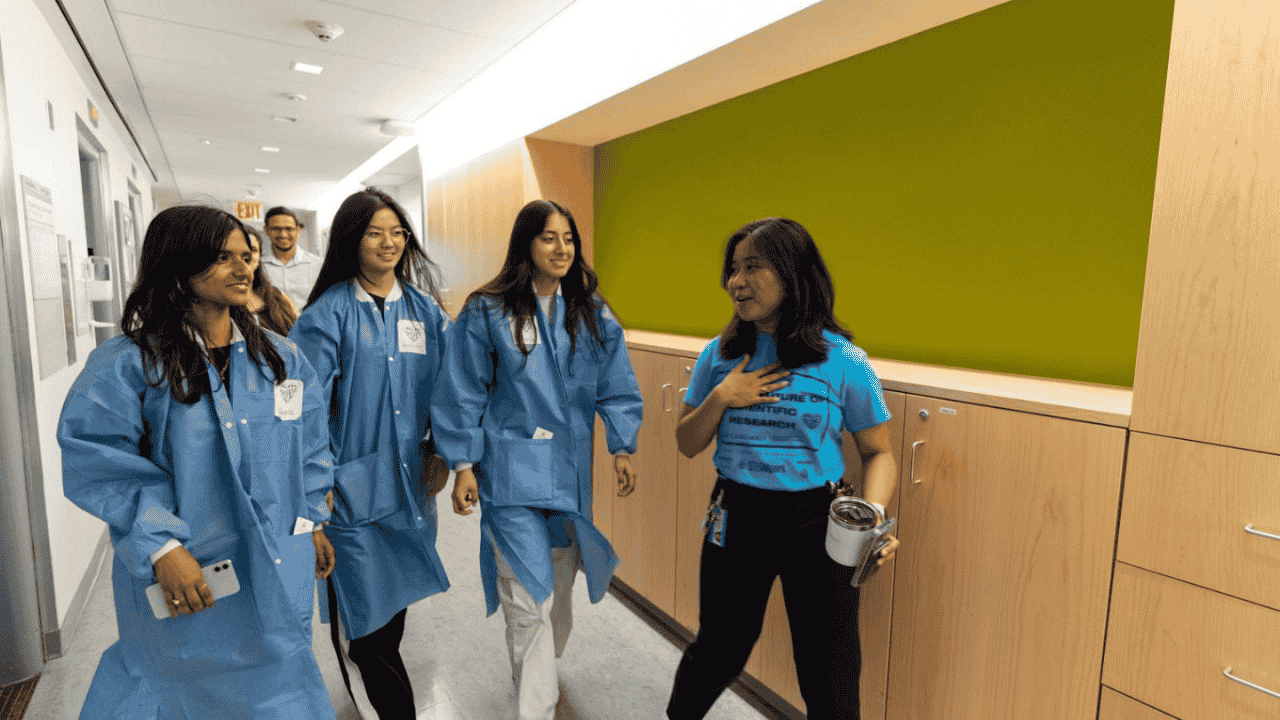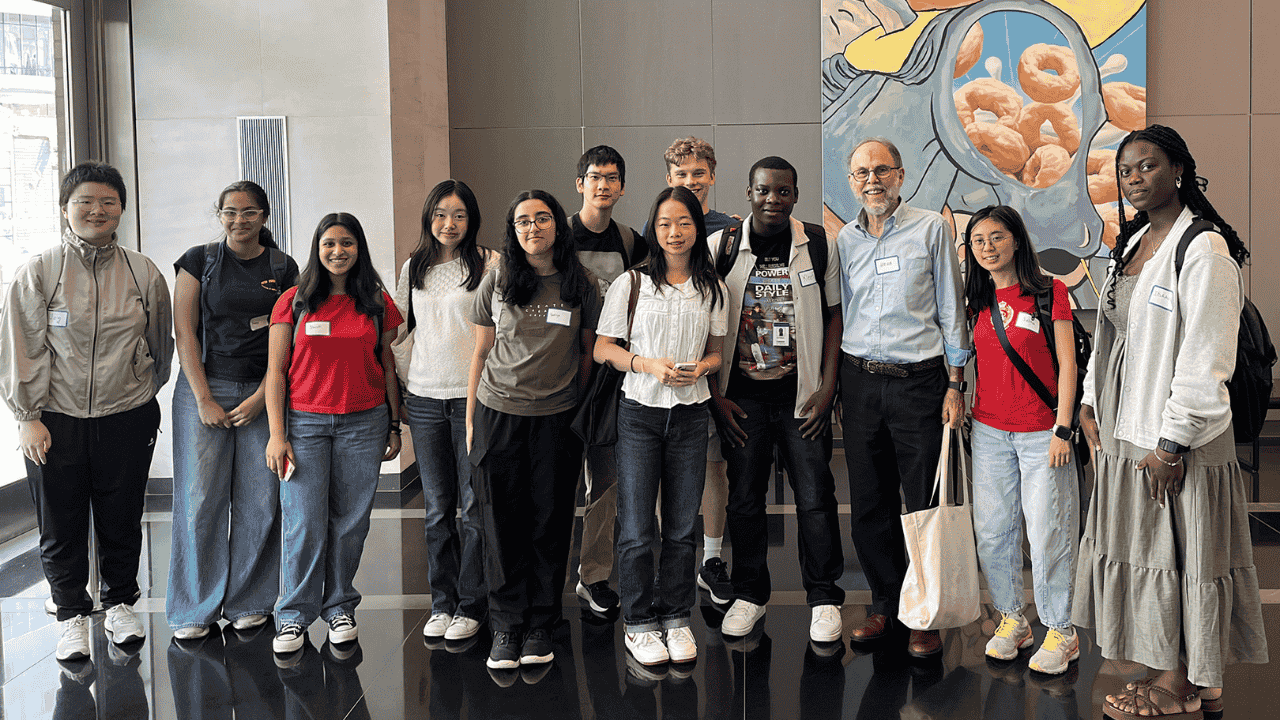
Columbia University’s Epidemiology Summer Institute (ESI) is designed to provide participants with practical knowledge and hands-on experience in public health research. The program focuses on building critical skills required for epidemiological studies, including data analysis, study design, and interpretation of research findings. Students gain exposure to a wide range of topics, from infectious disease modeling to chronic disease surveillance, enabling them to apply concepts in real-world settings.
Beyond technical knowledge, the program emphasizes analytical thinking, problem-solving, and effective communication of findings. Participants leave with the ability to translate complex epidemiological data into actionable public health recommendations, preparing them for careers in research institutions, government agencies, and healthcare organizations.
Table of Contents
Skill Overview
| Skill Area | What You Learn |
|---|---|
| Data Analysis | Use of statistical software, regression modeling, and data visualization |
| Study Design | Cohort, case-control, and cross-sectional studies |
| Research Ethics | Participant privacy, data confidentiality, and ethical research practices |
| Critical Thinking | Evaluating study validity, bias, and confounding factors |
| Communication | Writing scientific reports, presenting findings, and public health messaging |
| Software Proficiency | R, SAS, Stata, and SPSS |
| Problem Solving | Identifying public health challenges and designing solutions |
| Collaboration | Working in research teams and cross-disciplinary projects |
Data Analysis Skills
Participants gain in-depth training in statistical methods essential for epidemiological research. Courses cover descriptive statistics, hypothesis testing, regression analysis, and survival analysis. Students also learn to handle large datasets, clean data, and interpret results accurately. Practical exercises using real-world public health data allow learners to strengthen their computational and analytical skills.
Hands-on software training is a core component, with exposure to R, SAS, Stata, and SPSS. These tools enable participants to perform complex analyses efficiently and present findings in a visually understandable format. By mastering data analysis, students are equipped to make evidence-based decisions in both research and applied public health settings.
Research Design Skills
Understanding study design is a foundational skill gained at Columbia ESI. Students learn to plan and implement cohort, case-control, and cross-sectional studies, ensuring methodological rigor. Emphasis is placed on identifying confounding variables, minimizing bias, and designing studies that yield reliable, reproducible results.
Practical exercises reinforce theoretical knowledge, with participants designing small-scale research projects and evaluating existing studies. This experience builds the ability to critically assess research quality, an essential skill for epidemiologists and public health professionals.
Ethical and Critical Skills
The program emphasizes research ethics and critical thinking. Students explore guidelines for protecting participant privacy and maintaining data confidentiality. Ethical considerations are integrated into study design and data interpretation, preparing participants to conduct responsible research.
Critical thinking is developed through analyzing study findings, assessing limitations, and identifying potential biases. By evaluating evidence systematically, participants learn to distinguish robust research from flawed studies, strengthening their decision-making and problem-solving abilities in public health contexts.
Communication and Collaboration Skills
ESI teaches participants how to communicate complex findings effectively. Students practice writing scientific reports, preparing presentations, and conveying results to diverse audiences, including policymakers and the general public. This skill ensures that research translates into actionable public health recommendations.
Collaboration is also emphasized through group projects and team-based workshops. Participants work with peers from diverse backgrounds, learning to integrate multiple perspectives and coordinate research efforts efficiently. These collaborative experiences mirror real-world public health research environments, preparing students for professional teamwork.
Software Proficiency
Proficiency in statistical software is a critical outcome of the program. Participants gain hands-on experience with R, SAS, Stata, and SPSS, learning to manipulate datasets, perform analyses, and generate visualizations. The combination of software training and practical exercises ensures that learners can confidently apply these tools in their future research or professional work.
Software skills enhance employability and support the practical application of epidemiological knowledge. By becoming proficient in these tools, participants can efficiently analyze complex datasets and present findings in a professional manner, which is highly valued in both academic and applied public health settings.
Career Applications
The skills acquired at Columbia ESI have immediate career relevance. Graduates can contribute to public health research, policy-making, and healthcare analytics. Whether working in government agencies, hospitals, or research institutions, participants are equipped to handle complex data, design robust studies, and communicate findings effectively.
The combination of technical, analytical, ethical, and collaborative skills ensures that graduates are not only competent in epidemiological methods but also capable of leading public health initiatives. These competencies make participants competitive candidates for advanced academic programs, fellowships, and professional roles in epidemiology and related fields.
Last Words
Columbia’s Epidemiology Summer Institute equips participants with a comprehensive skill set that spans data analysis, study design, research ethics, critical thinking, communication, collaboration, and software proficiency. By completing the program, students gain both the theoretical knowledge and practical experience needed to excel in public health research and epidemiology careers. The skills developed through this immersive program provide a strong foundation for lifelong learning and professional growth in the global health landscape.