Deciding between online and on‑campus courses at Columbia University’s Epidemiology Summer Institute (ESI) can shape your learning experience, schedule flexibility, and networking opportunities. Both formats aim to deliver high‑quality public health education, yet they differ in structure, interaction, and immersion. Your choice should align with your learning style, professional commitments, and long‑term goals in epidemiology or biostatistics.
This article compares the two formats across key dimensions such as flexibility, engagement, technology, costs, and outcome value. Whether you’re a working professional, a graduate student, or an international learner, understanding the strengths and limitations of each delivery mode can help you select the format that best supports your academic growth and career trajectory.
Table of Contents
Format Comparison
| Aspect | Online | On‑Campus |
|---|---|---|
| Delivery | Live virtual sessions, recorded content | In‑person classroom instruction |
| Flexibility | High scheduling flexibility | Fixed schedule, structured days |
| Interaction | Digital discussions, occasional small groups | Face‑to‑face discussions, labs |
| Networking | Virtual networking events | In‑person social & academic networking |
| Resources | Online libraries, video lectures | Campus facilities, labs, libraries |
| Cost Factors | Tuition + tech costs | Tuition + housing + travel |
| Assessment | Online quizzes, virtual projects | In‑class exams, group assignments |
| Immersion | Medium | High |
This table simplifies direct comparisons between online and on‑campus experiences at ESI. Each column highlights typical features students encounter in the respective formats. These differences often reflect distinct advantages and trade‑offs that influence learning effectiveness, engagement, and professional growth. Use this snapshot as a reference while exploring each aspect more deeply below.
Learning Flexibility
Online courses at Columbia ESI provide significant flexibility for learners balancing work, family, or geographic constraints. Live virtual lectures are often recorded, giving students the ability to review material at their own pace. This format suits professionals who may not be able to adhere to strict daily schedules, and it mitigates travel costs and relocation challenges for international participants.
In contrast, on‑campus courses require attendance in real time and adhere to a structured timetable. This rigidity can be beneficial for learners who thrive in routine settings with set deadlines. The immersive nature of in‑person classes also fosters deeper focus, as students are physically removed from their everyday environments and can dedicate full attention to coursework and peer interaction.
Interaction Quality
Interaction in online courses happens through discussion boards, virtual breakout rooms, and scheduled video conferencing. Instructors facilitate discussions, but spontaneous engagement can be harder to initiate than in person. Despite this, many online formats incorporate small group work, peer review exercises, and real‑time Q&A sessions to simulate collaborative environments.
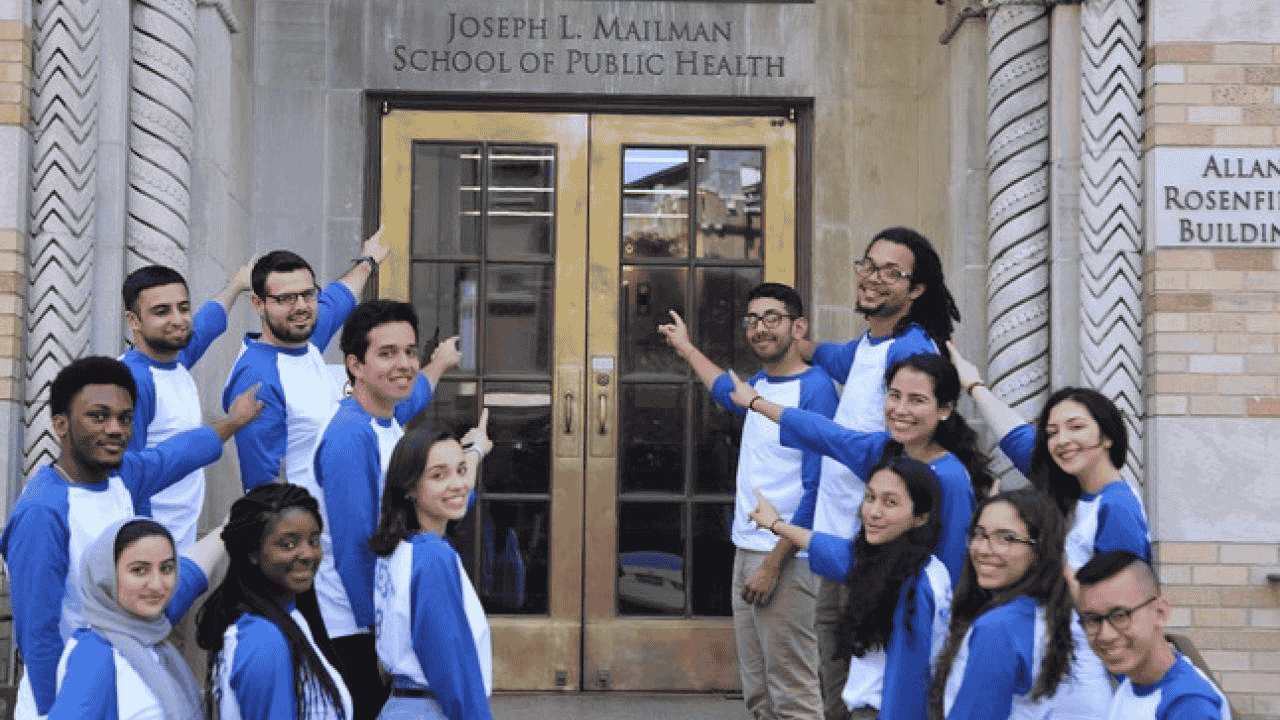
On‑campus courses naturally support richer face‑to‑face interactions. Students can engage with faculty before and after class, participate in impromptu study groups, and collaborate on projects in shared spaces. These in‑person connections often lead to stronger professional networks and a more cohesive learning community, particularly for those new to epidemiology or data analysis.
Technology Requirements
Online learning relies heavily on stable internet access and functional hardware such as a laptop or tablet. Students must be comfortable navigating Learning Management Systems (LMS), video conferencing platforms, and software used for statistical analysis. While Columbia ESI typically offers technical support, learners benefit from proactive troubleshooting skills and reliable connectivity.
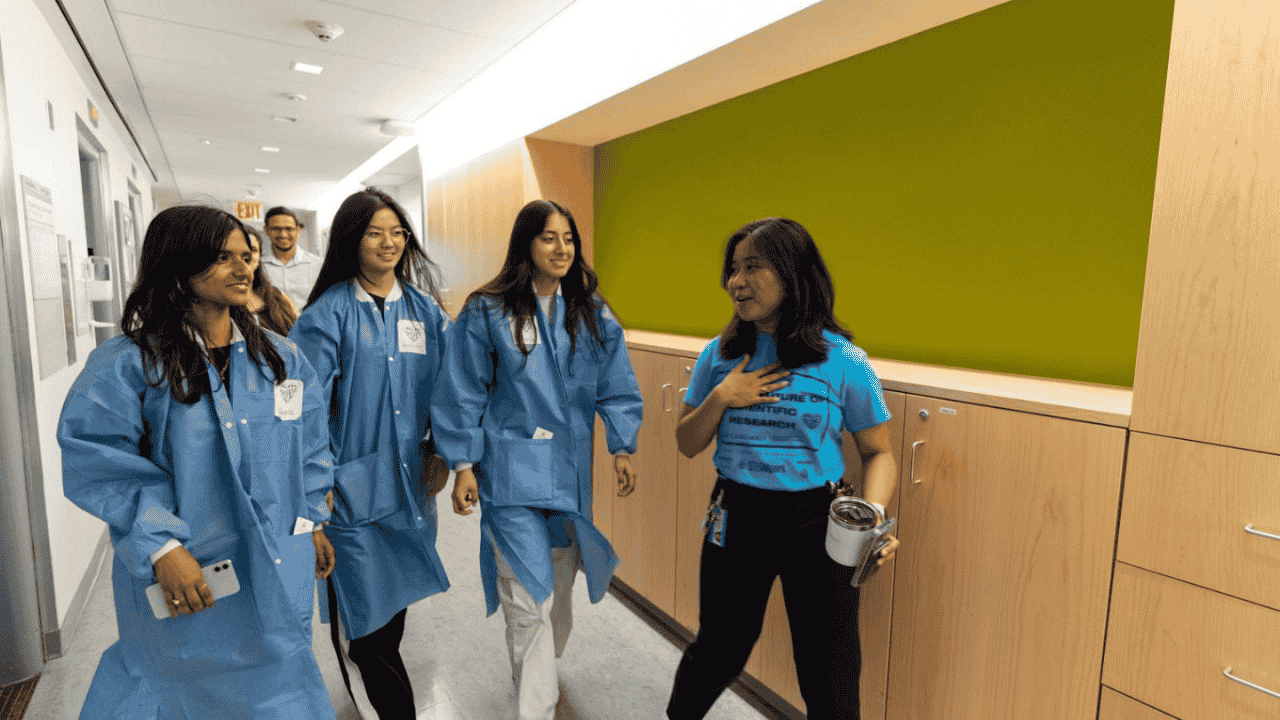
On‑campus formats integrate technology in classrooms and labs, but the technical burden on students may be lower. Most software and computational resources are accessible on campus workstations, and IT support is available in person. The environment allows learners to focus on mastering tools like R, SAS, or Stata without worrying about personal hardware limitations, which can be especially helpful for resource‑constrained students.
Networking Opportunities
Networking in online courses is facilitated through scheduled virtual events, chat spaces, and suggested collaboration tasks. Although these provide avenues for connection, the nature of digital communication sometimes limits spontaneous conversations. Students must be proactive in reaching out to peers and faculty to cultivate meaningful professional relationships.
On‑campus experiences offer organic networking through classroom dialogue, social events, and informal gatherings. Connections formed during shared meals, study sessions, or evening activities often extend beyond the program. For many learners, this face‑to‑face interaction accelerates relationship building, mentorship opportunities, and future collaborations in research or employment.
Engagement and Motivation
Online learners must self‑regulate engagement and motivation. Without the physical presence of an instructor and peers, some students may find it challenging to maintain focus. However, structured weekly milestones, frequent virtual touchpoints, and interactive digital content can help sustain momentum. Online platforms also allow students to revisit recorded lectures and review materials on demand, which can deepen comprehension.
On‑campus learners benefit from the immersive academic setting, where daily routines naturally align with study goals. The presence of classmates and faculty supports accountability and active learning. With scheduled class times and real‑world group activities, students often report higher engagement and immediate feedback, which reinforces motivation.
Cost Considerations
Online courses typically reduce or eliminate expenses associated with travel, accommodation, and daily living costs during a summer session. Students primarily incur tuition and possibly technology upgrades if needed. This cost‑efficiency is attractive to learners with budget constraints or those who prefer to maintain their current lifestyles while studying.
On‑campus courses include additional financial commitments such as housing, meals, transportation, and related living expenses. While these costs can add up, the value of in‑person immersion and access to campus facilities may justify the investment for many students. Scholarships, housing stipends, or financial aid options can also influence the total cost of attendance.
Outcome Value
Both online and on‑campus courses at Columbia ESI aim to deliver comparable academic outcomes, ensuring that graduates possess essential competencies in epidemiology and data analysis. Online formats emphasise flexibility without compromising the integrity of assessments or learning objectives. Certificates earned online hold equal academic value to those obtained on campus.
On‑campus programs often yield additional intangible benefits, such as enhanced confidence in collaborative settings, stronger professional networks, and deeper cultural immersion if students relocate. These elements can translate into broader career opportunities and increased visibility among peers and mentors. Ultimately, outcome value depends on how effectively students leverage the learning environment to meet their personal and career goals.
Choosing Format
Selecting between online and on‑campus courses begins with self‑reflection on your priorities. Consider your current professional obligations, learning preferences, financial situation, and desire for interpersonal connection. If you require schedule flexibility and geographical independence, online courses could be the optimal choice. Conversely, if you seek immersive experiences with direct faculty contact and robust networking, the on‑campus route may serve you best.
Another factor is your comfort with independent learning. Online formats reward self‑directed students, while on‑campus settings provide structured support that benefits those who excel with routine and in‑person engagement. Speak with advisors, review course syllabi, and connect with past participants to gather insights before committing.
Final Analysis
Both online and on‑campus courses at Columbia ESI offer high‑quality public health education, yet they cater to different learner needs. Online courses excel in flexibility, accessibility, and cost efficiency, while on‑campus programs shine in engagement, networking, and immersive experiences. Your decision should align with your individual goals, lifestyle, and preferred learning modalities. By carefully weighing these factors, you can choose the format that empowers your academic success and strengthens your career in epidemiology and data analysis.