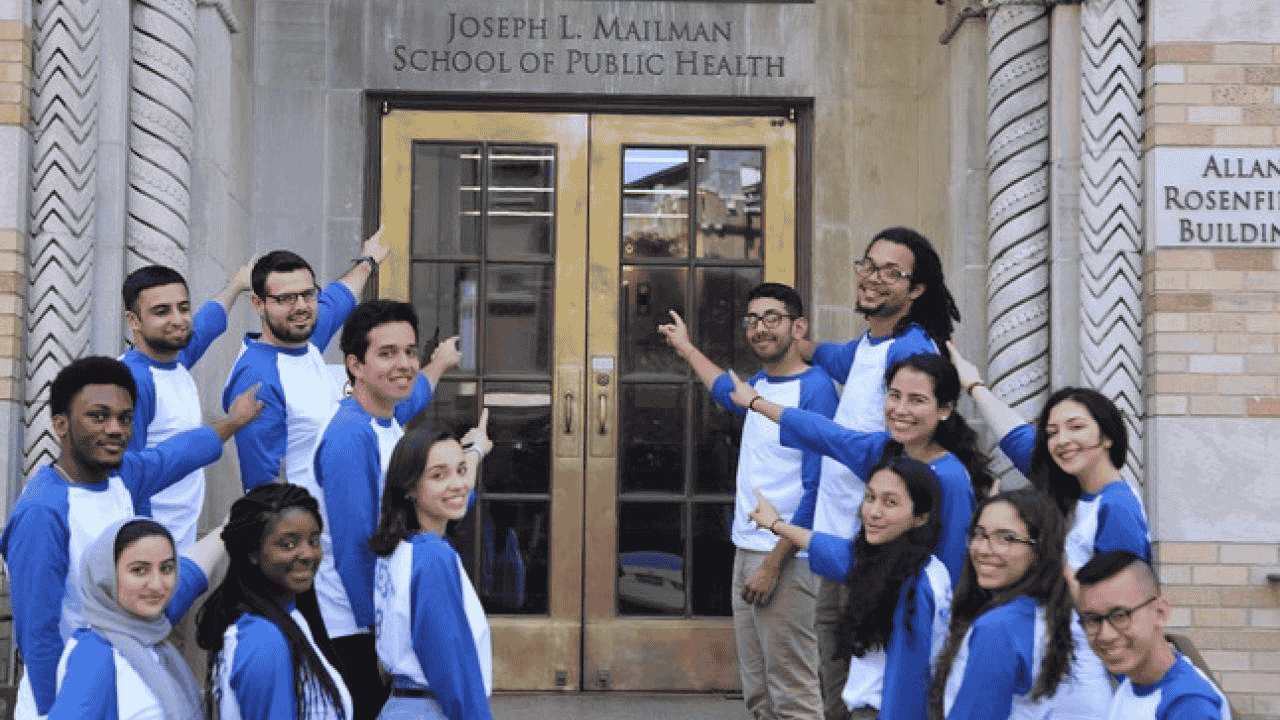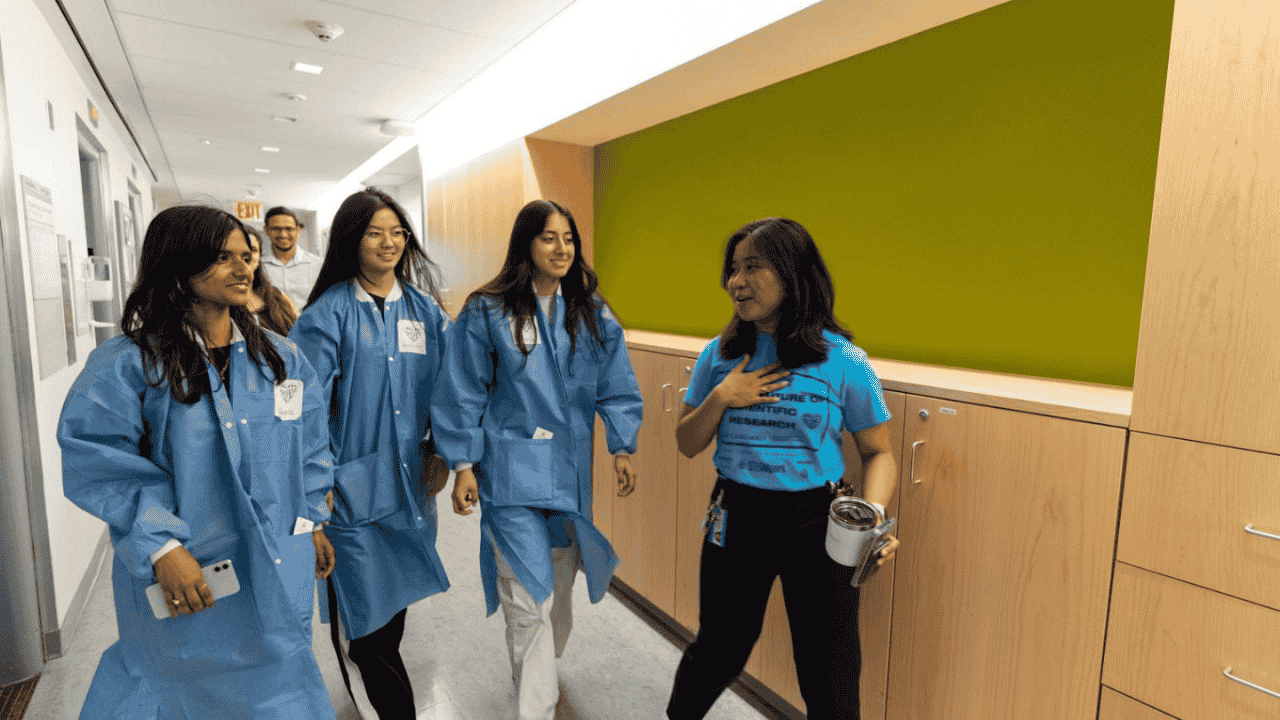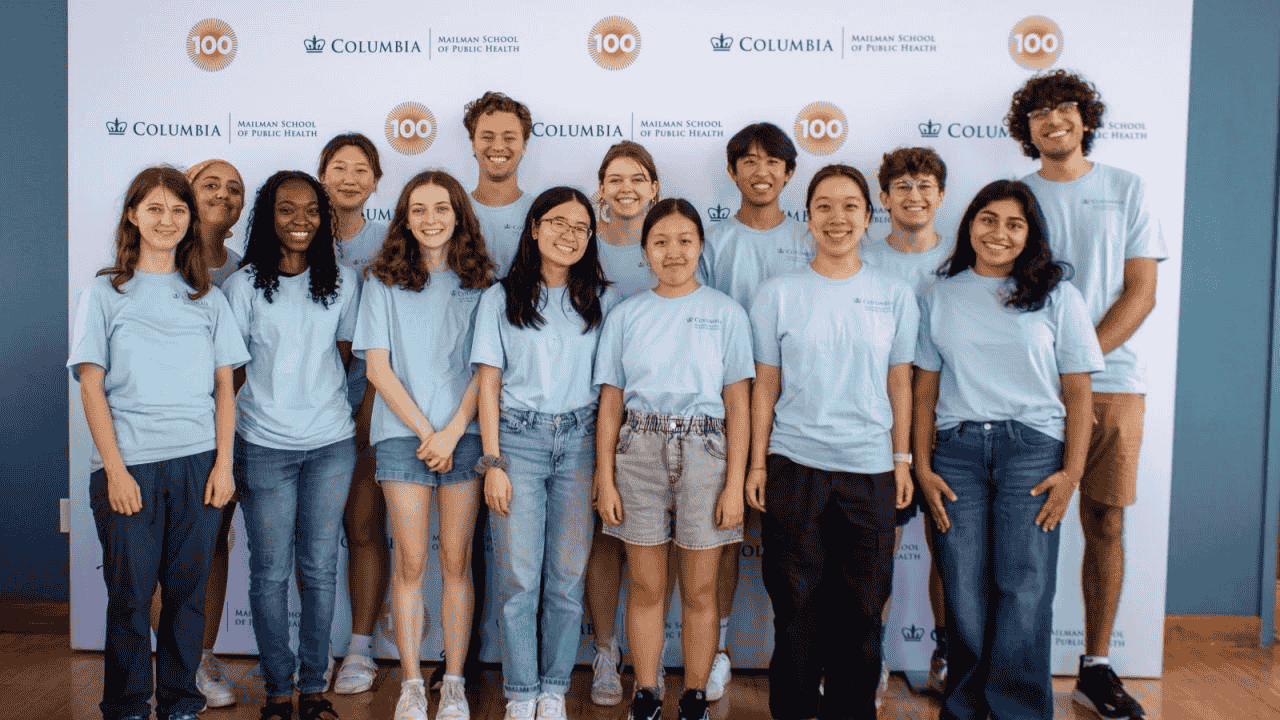
Columbia University’s episummer@columbia has a long-standing reputation for excellence in public health and epidemiology education. Hosted annually by the Department of Epidemiology, the summer institute offers participants worldwide access to high-quality instruction and applied training in population health research. Since its inception, the program has attracted a diverse cohort of students, professionals, and researchers, reflecting Columbia’s global academic reach and influence.
Table of Contents
Overview: Program Reputation
| Aspect | Details |
|---|---|
| Institution | Columbia University, Department of Epidemiology |
| Global Recognition | Courses taught by leading faculty, attracting participants from multiple countries |
| Program Duration | Annually, every June, courses range from 4 to 40 hours |
| Course Format | Synchronous (live), Asynchronous (self-paced), Hybrid, and In-person options |
| Impact | Participants gain applied skills, methodological expertise, and professional networks |
Program History
episummer@columbia began as a short-term summer initiative to extend Columbia’s epidemiology training beyond campus boundaries. Over the years, the program has evolved into a fully online institute, leveraging both synchronous and asynchronous learning formats.
The summer institute reflects Columbia’s commitment to advancing population health research by providing global access to high-quality epidemiology education. It continues to attract professionals, academics, and students seeking rigorous training in study design, statistical analysis, and applied public health methods.
Faculty Excellence
The program is taught by Columbia’s leading epidemiology faculty, whose research spans global health, infectious diseases, biostatistics, and population health. Faculty members bring real-world experience into the classroom, enhancing applied learning and evidence-based approaches.
Participants benefit from direct interaction with experts, receiving mentorship and guidance during live sessions or via electronic office hours in asynchronous courses. This faculty quality strengthens the academic rigor and credibility of the summer institute.
Academic Reputation
Columbia University is recognized globally as a leader in public health research. episummer@columbia inherits this reputation, offering high-standard coursework that aligns with Columbia’s academic excellence.
The program’s rigorous curriculum and applied focus attract a competitive and diverse cohort, enhancing peer learning and collaboration. Completion of the program is widely respected by academic institutions, research organizations, and public health agencies worldwide.
Global Impact
The summer institute draws participants from across the globe, providing a platform for cross-cultural learning and collaboration. Students, professionals, and researchers engage in knowledge exchange, sharing regional public health challenges and solutions.
This international exposure enhances participants’ understanding of global health trends and policies. Networking opportunities also enable long-term collaborations and research partnerships that extend well beyond the summer program.
Alumni Success
episummer@columbia alumni have advanced in academia, research, public health practice, and policy-making. The skills gained in epidemiology, data analysis, and population health research prepare graduates for impactful careers worldwide.
Alumni often report applying knowledge directly to public health initiatives, research projects, and policy development. The program’s reputation ensures that graduates are recognized for their expertise and contributions in the field.
Course Evolution
Over time, episummer@columbia has expanded course offerings to cover emerging topics in epidemiology, global health, and biostatistics. Synchronous and asynchronous formats, along with hybrid and in-person options, accommodate diverse learning needs.
Technological advancements allow real-time collaboration, access to extensive datasets, and interactive tools that enhance learning outcomes. The program continuously updates its content to reflect current research and public health priorities.
Program Accreditation
The summer institute is backed by Columbia University’s academic authority and is recognized by international public health organizations. Participants receive certificates of completion that validate their expertise and skills in epidemiology.
Accreditation ensures that course content meets high academic and professional standards, enhancing participants’ credibility in their respective fields. Graduates can use this recognition for career advancement, research positions, or further academic studies.
Curriculum Design
The curriculum is designed to balance theoretical foundations with practical applications. Courses cover study design, biostatistics, disease surveillance, global health, and evidence-based interventions.
Hands-on exercises, case studies, and data analysis projects provide participants with practical skills that can be applied directly in research, public health practice, or policy-making. This applied approach ensures learners gain both knowledge and competency.
Learning Outcomes
By completing episummer@columbia, participants gain advanced skills in study design, epidemiological analysis, and population health research. Graduates are prepared to analyze public health data, implement interventions, and evaluate health outcomes in diverse settings.
The program also develops professional soft skills such as cross-cultural collaboration, communication, and networking, which are critical for global public health careers. Participants leave equipped to contribute meaningfully to research, policy, and health initiatives worldwide.
Final Thoughts
episummer@columbia combines a rich history, global reputation, and academic excellence to offer a premier summer program in epidemiology. The institute’s expert faculty, rigorous curriculum, and flexible delivery formats equip participants with applied skills, methodological expertise, and professional networks. Looking ahead, the program will continue expanding its course offerings, integrating innovative online technologies, and strengthening global collaboration. Graduates leave fully prepared to advance population health research, implement evidence-based interventions, engage in international public health collaborations, and make informed decisions that impact communities worldwide.