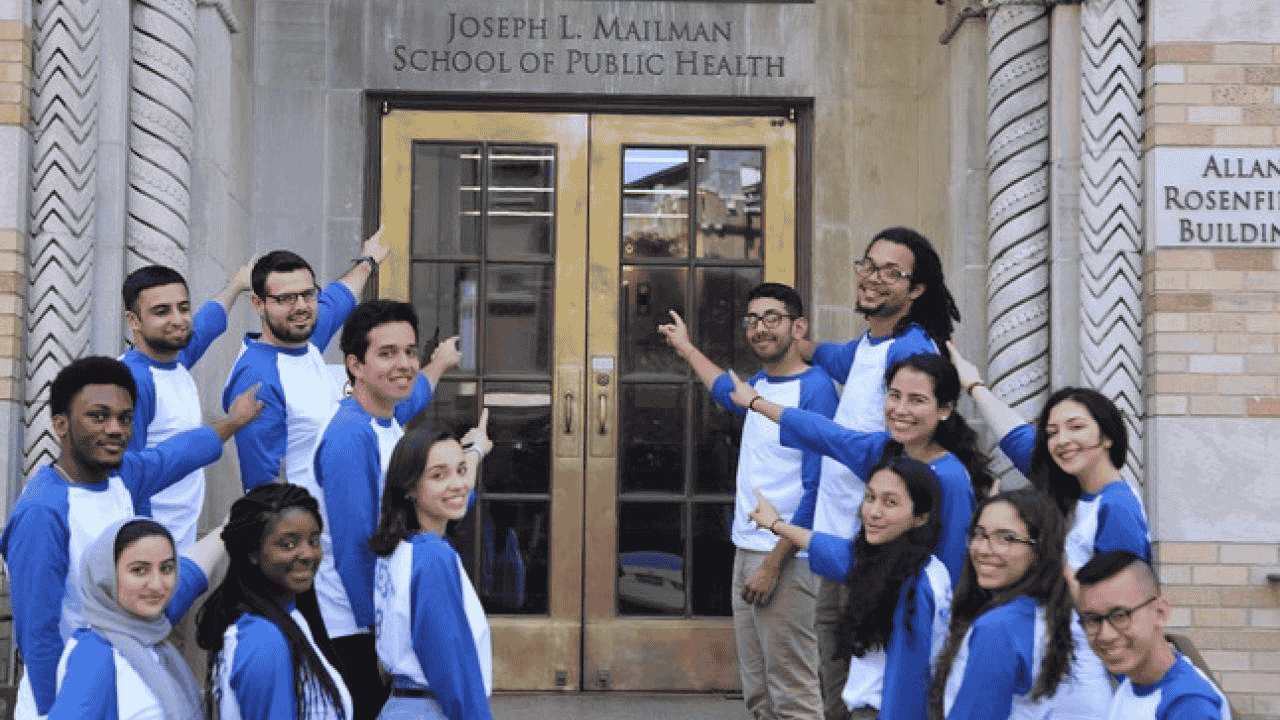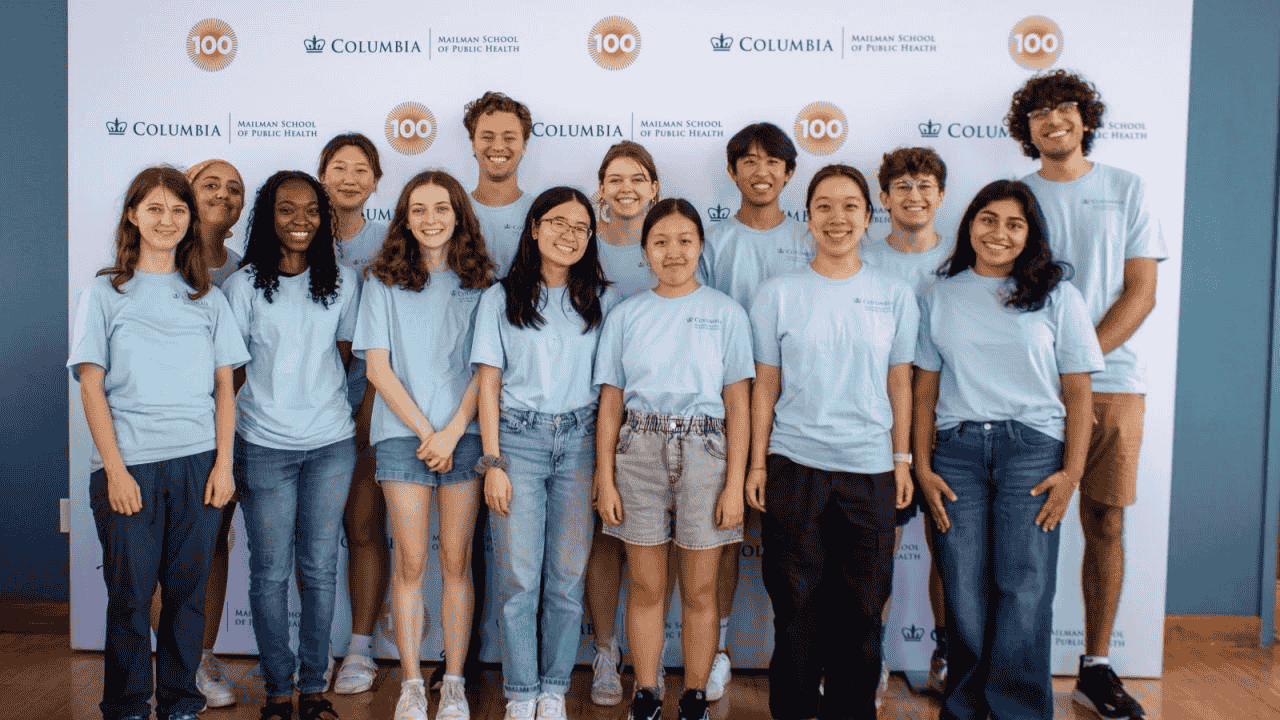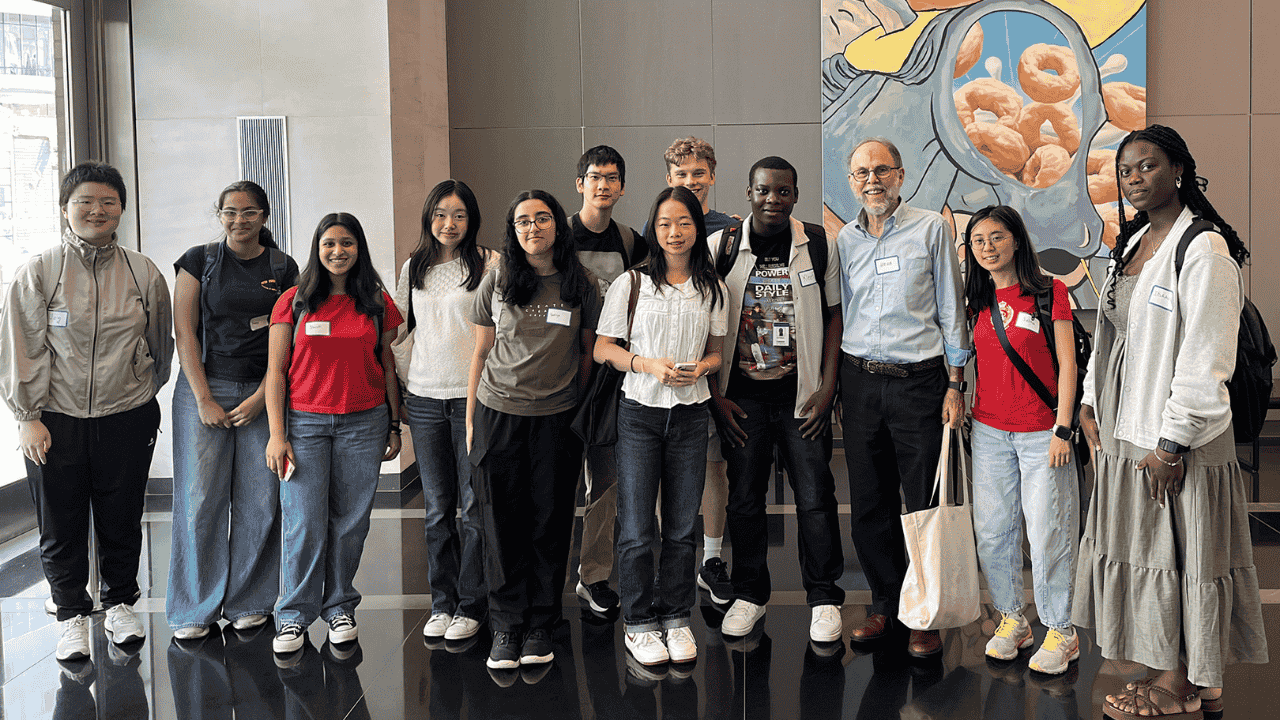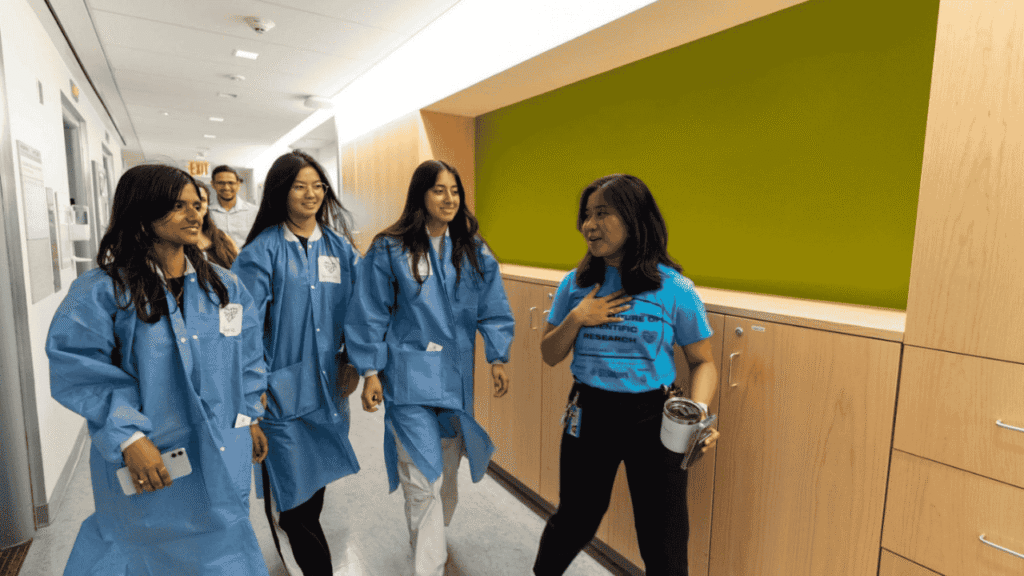
Columbia University’s episummer@columbia offers a comprehensive summer program in epidemiology and population health. The program provides short, intensive courses in both synchronous (live) and asynchronous (self-paced) formats online. Courses cover core epidemiologic methods, quantitative tools, applied public health skills, and specialized topics, allowing participants to select content that matches their experience and professional goals.
Table of Contents
Overview: Sample Courses Offered
| Course Title | Focus Area |
|---|---|
| Introduction to Biostatistics | Foundational statistical methods for public health |
| Epidemiologic Analysis Using SAS | Data analysis with SAS software in epidemiology |
| Introduction to Machine Learning | Machine learning techniques for epidemiologic research |
| Implementation Science in Public Health Programs | Translating research findings into public health practice |
| Introduction to Injury Epidemiology | Methods and concepts in injury research |
| Assessing Neighborhoods in Epidemiology | Geospatial and environmental influences on health |
| EpiCraft: Health Promotion Campaigns | Designing epidemiology-informed health interventions |
| Advanced Topics | Modeling, causal inference, R programming, and more |
Core Methodology
Core methodology courses focus on foundational skills essential for epidemiology and population health research. They cover statistical analysis, study design, and data interpretation.
For example, Introduction to Biostatistics teaches descriptive statistics, hypothesis testing, regression analysis, and basic inferential techniques. These skills provide a foundation for more advanced quantitative work and applied research projects. Similarly, Epidemiologic Analysis Using SAS allows participants to apply these methods directly using statistical software, building hands-on experience in data cleaning, management, and analysis.
Quantitative Tools
Quantitative tools courses expand analytical capabilities, including modern statistical and computational methods. These courses are designed for researchers or professionals seeking advanced skillsets.
Introduction to Machine Learning for Epidemiologists introduces supervised and unsupervised learning, model validation, and real-world applications in health research. Other quantitative offerings may include intensive workshops on R programming, causal inference, and statistical modeling. These courses enhance participants’ ability to analyze complex datasets and perform advanced epidemiologic research.
Applied Public Health
Applied public health courses focus on translating skills into practice. They teach implementation strategies, program evaluation, and health communication techniques.
Courses like Implementation Science in Public Health Programs provide methods for applying research evidence to program design and evaluation. EpiCraft: Health Promotion Campaigns emphasizes the design and assessment of interventions, allowing participants to apply epidemiologic evidence to real-world community programs. These courses enhance practical problem-solving and leadership skills in public health contexts.
Specialized Topics
Specialized courses target niche areas of epidemiology and offer focused skill-building in specific domains.
For example, Introduction to Injury Epidemiology addresses surveillance, analytical approaches, and prevention strategies for both intentional and unintentional injuries. Assessing Neighborhoods in Epidemiology examines spatial and environmental determinants of health using geospatial methods and systematic observation. Specialized courses prepare participants for research or policy work in focused public health areas.
Hybrid Formats
Some courses are offered in hybrid or interactive formats that combine live sessions with self-paced online content. These formats encourage interaction with instructors and peers through discussion forums, case studies, and group exercises.
Synchronous sessions allow participants to ask questions in real time and engage in collaborative problem-solving. Hybrid formats combine flexibility with live interaction, providing the benefits of both structured and independent learning environments.
Emerging Sessions
The summer institute regularly adds emerging courses reflecting new research and methodologies. Recent additions include infectious disease modeling, advanced R programming, causal inference with longitudinal data, and social determinants of health.
These evolving offerings ensure the curriculum remains relevant to contemporary public health challenges. Participants can access cutting-edge methods and thematic topics that strengthen analytical skills and applied research capabilities.
Course Duration
Courses vary in length and intensity, ranging from short workshops of 4–8 hours to more comprehensive asynchronous modules of 20–40 hours. Synchronous courses meet at scheduled times, while asynchronous courses allow learners to pace their own study according to deadlines.
This structure accommodates global participants with diverse schedules and provides flexibility for professionals, students, and researchers. It also enables participants to combine foundational, applied, and advanced courses to match their learning objectives.
Target Audience
The program is open to students, professionals, and researchers in public health, epidemiology, biostatistics, healthcare, and related fields. Courses are designed to accommodate beginners as well as participants with prior experience in quantitative methods or applied public health.
Advanced courses may recommend some prior knowledge, but the curriculum ensures that learners at all levels can engage meaningfully and acquire practical skills relevant to research, policy, or professional practice.
Parting Insights
The Columbia Epidemiology Summer Institute provides a diverse and flexible curriculum spanning core methodology, quantitative tools, applied public health, and specialized topics. Participants can choose courses such as Biostatistics, Machine Learning, Implementation Science, Injury Epidemiology, and EpiCraft to build a tailored learning pathway. Emerging sessions and hybrid formats further enhance accessibility and relevance. Looking ahead, the institute will continue evolving to include cutting-edge methods, topical public health challenges, and interactive learning. Graduates leave with enhanced analytical capabilities, practical skills, and professional recognition, prepared to contribute to global population health research and practice.