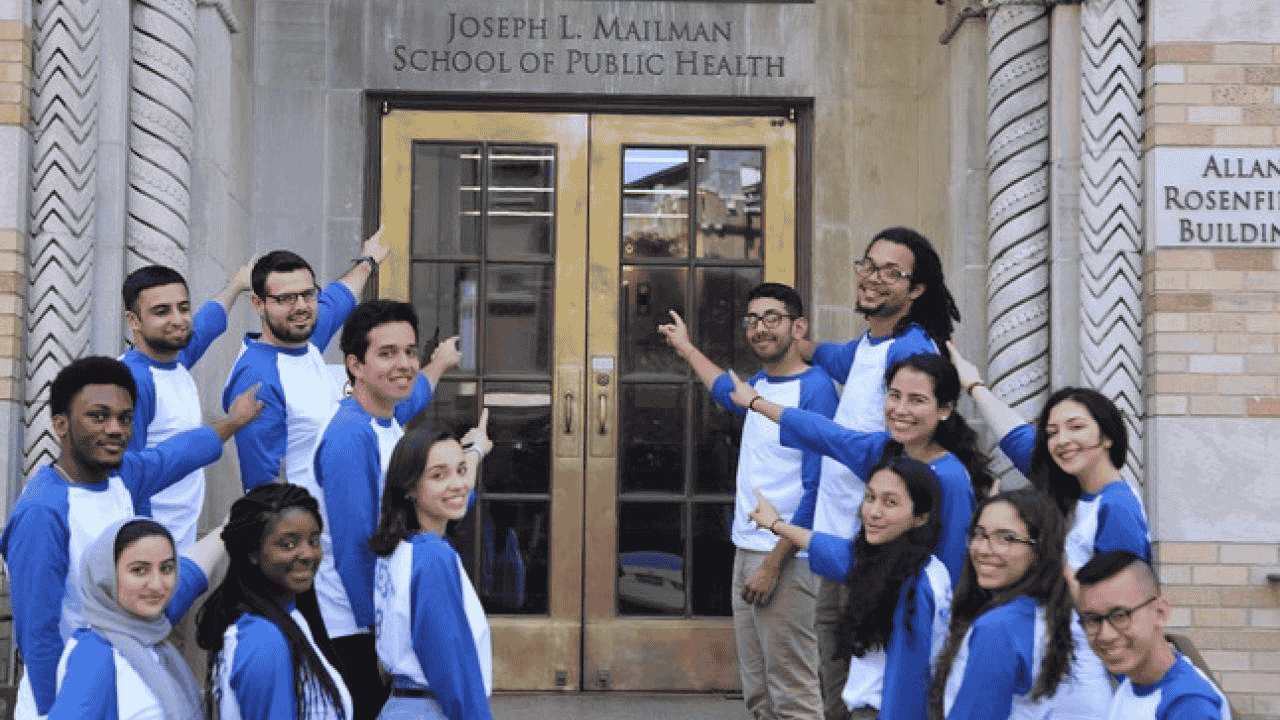
Columbia University’s episummer@columbia offers world-class training in epidemiology and population health. While the application process is straightforward, many prospective participants make avoidable errors that can delay enrollment or limit their learning experience. Recognizing these common mistakes helps applicants submit complete and accurate applications, ensuring they fully benefit from the summer institute.
Table of Contents
Overview: Common Application Mistakes
| Mistake | Impact |
|---|---|
| Late Registration | Limited course options, missed deadlines |
| Incomplete Documents | Delays in enrollment and course access |
| Technical Issues | Problems accessing online sessions or materials |
| Ignoring Prerequisites | Difficulty following advanced content |
| Payment Delays | Enrollment not confirmed |
| Time Zone Mismanagement | Missing synchronous sessions |
| Limited Engagement | Reduced learning and networking opportunities |
Late Registration
One of the most frequent mistakes is registering after deadlines. Synchronous courses with live sessions have limited seats, and late applicants may miss their preferred course or receive access only to asynchronous alternatives.
Early registration ensures access to all desired courses, provides ample time for technical setup, and allows participants to plan schedules around live sessions. Delays can limit engagement and reduce the overall learning experience.
Incomplete Documents
Failing to provide all required documents is another common issue. Missing personal, academic, or technical information can prevent confirmation of enrollment and delay access to course materials.
Applicants should carefully review document requirements, including proof of payment, academic or professional background, and technical readiness. Submitting complete files helps ensure seamless participation.
Technical Issues
Technical problems such as slow internet, incompatible devices, or unfamiliarity with online platforms can disrupt participation. Many participants fail to test systems in advance, leading to missed lectures or assignment difficulties.
Applicants should verify internet speed, software requirements, and video/audio functionality. Early troubleshooting reduces disruptions and ensures smooth interaction with instructors and peers.
Ignoring Prerequisites
Some participants attempt advanced courses without sufficient background in epidemiology, biostatistics, or public health. This can make course content difficult to follow and diminish the learning experience.
It is essential to review prerequisites and choose courses aligned with one’s knowledge level. Beginners should start with foundational courses before advancing to specialized or quantitative modules.
Payment Delays
Failure to pay tuition or course fees on time is a common mistake that can prevent enrollment confirmation. Without payment, participants may lose access to course materials and live sessions.
Applicants should arrange payment in advance and verify transaction completion. For those seeking employer reimbursement or scholarships, early planning is essential to avoid missing payment deadlines.
Time Zone Mismanagement
Synchronous courses require live attendance, and many participants overlook differences in time zones. Missing sessions due to scheduling conflicts reduces opportunities for interaction with instructors and peers.
Participants should calculate their local time relative to Columbia’s course schedule, plan for live sessions, and adjust personal commitments to ensure attendance. This proactive approach maximizes engagement and learning outcomes.
Limited Engagement
Some learners enroll but fail to actively participate in discussions, assignments, and networking opportunities. Limited engagement can reduce understanding of course material and diminish professional connections gained during the program.
Active participation includes joining discussion boards, completing exercises, asking questions during office hours, and collaborating with peers. Engaged learners gain the most benefit from the institute’s interactive and applied approach.
Overlooking Pre-Course Preparation
Skipping pre-course readings and exercises can leave participants unprepared for lectures or applied exercises. This is particularly important for asynchronous courses where participants must self-manage their learning.
Reviewing provided materials, familiarizing with software tools, and planning study schedules improve comprehension and ensure active involvement in live or virtual sessions. Preparation directly enhances the quality of the learning experience.
Closing Reflections
Avoiding common mistakes during the application process ensures a smooth and successful experience at episummer@columbia. Timely registration, complete documents, technical readiness, attention to prerequisites, and active engagement are essential for maximizing learning outcomes. Looking ahead, the institute continues to improve guidance for applicants, integrate interactive technologies, and expand support systems for global participants. Graduates emerge with practical epidemiology skills, applied research capabilities, and professional recognition, fully equipped to advance population health research, policy, and practice worldwide.