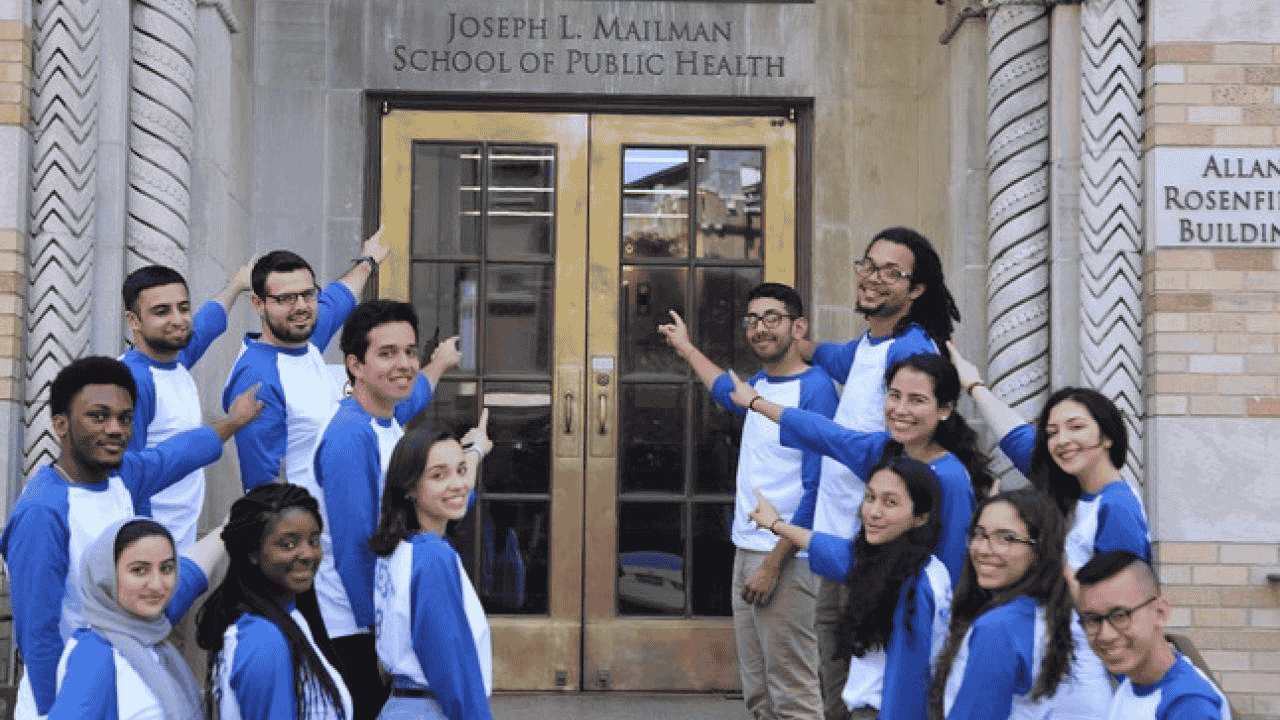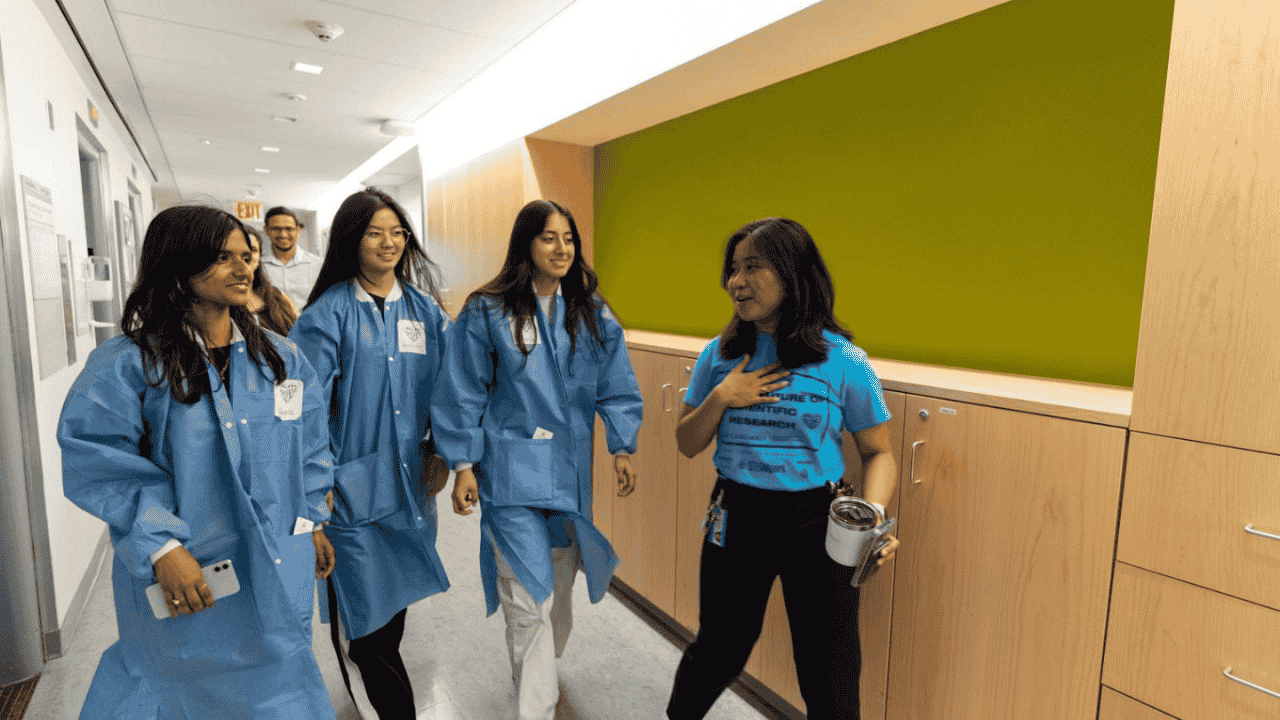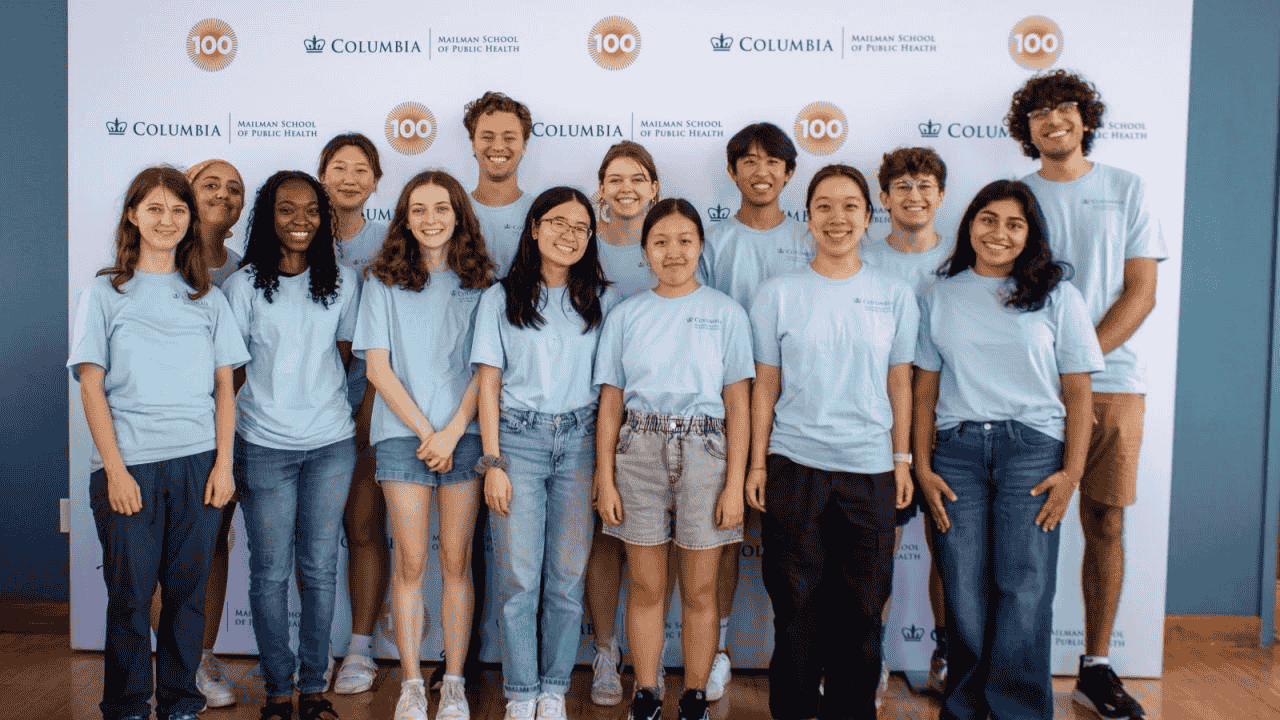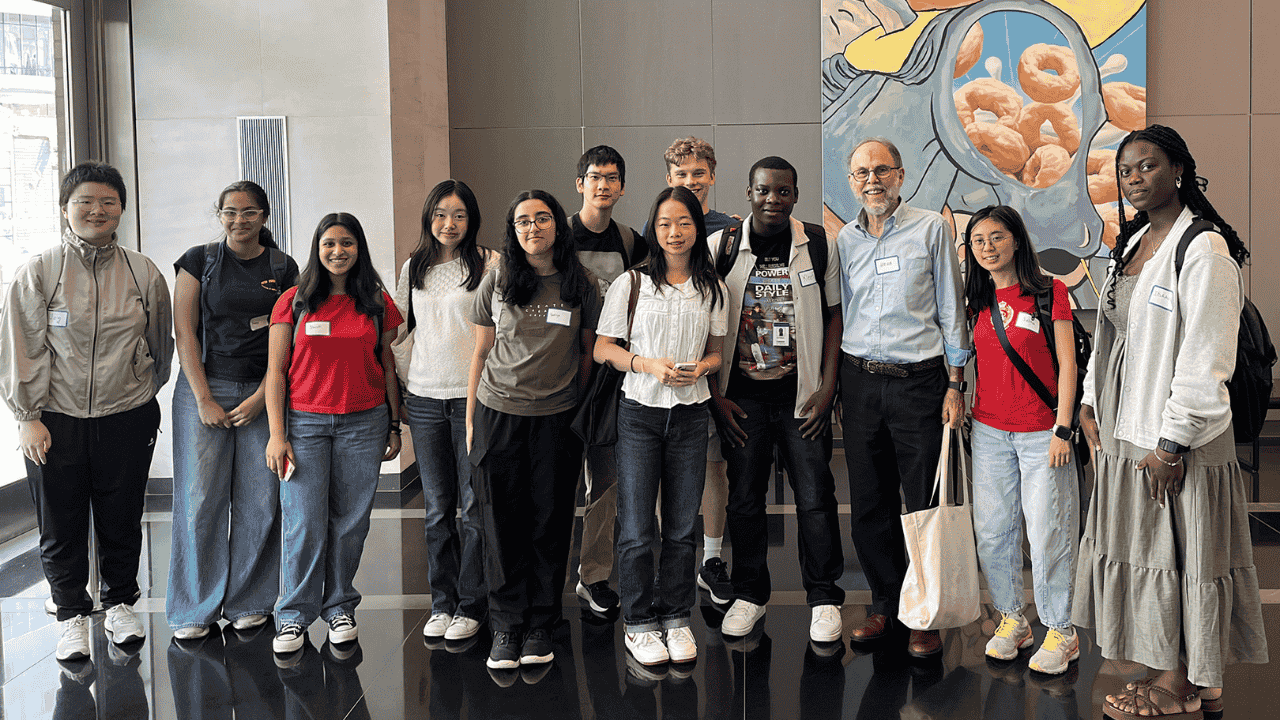
Columbia University’s Department of Epidemiology hosts the annual episummer@columbia program every June, offering participants worldwide access to its high-quality epidemiology coursework. The summer institute provides foundational knowledge and applied skills in population health research, delivered entirely online through synchronous or asynchronous formats. Designed for both professionals and students, the program ensures global accessibility and flexibility while maintaining Columbia’s rigorous academic standards.
Table of Contents
Overview: Course Formats and Duration
| Format | Duration | Description |
|---|---|---|
| Synchronous | 4–20 hours | Live online courses conducted on scheduled dates with real-time interaction with instructors and peers. Includes a few hybrid and one fully in-person course. |
| Asynchronous | 5–40 hours | Self-paced courses with online lecture recordings, discussion forums, file sharing, self-assessments, and electronic office hours. Materials are released by instructors over time. |
Course Structure
episummer@columbia courses are designed to accommodate different learning needs and schedules. Synchronous courses are scheduled at fixed times, providing live interaction, discussion, and feedback. These courses can last from 4 to 20 hours, depending on the topic and intensity, and some include hybrid options combining online and occasional in-person sessions.
Asynchronous courses provide a self-paced structure, ranging from 5 to 40 hours. Lectures, assignments, and discussion prompts are released gradually, allowing participants to manage learning around professional or personal commitments. Real-time electronic office hours provide opportunities to interact with instructors and clarify concepts as needed.
Synchronous Learning
Synchronous courses emphasize real-time engagement. Participants join live sessions where they can ask questions, participate in discussions, and receive immediate guidance from faculty. This format is ideal for learners who prefer structured environments and direct collaboration with instructors and peers.
Hybrid courses integrate in-person elements, offering hands-on learning experiences while maintaining the benefits of online participation. One fully in-person course allows a comprehensive on-campus learning experience for participants who can attend physically.
Asynchronous Learning
Asynchronous courses offer maximum flexibility. Participants access pre-recorded lectures, readings, exercises, and discussion boards at their convenience. Self-assessments and exercises provide regular feedback to reinforce learning.
Instructors maintain engagement through electronic office hours and online communication, allowing participants to ask questions and receive guidance even in a self-paced format. This setup is particularly beneficial for global participants in varying time zones or with professional obligations.
Course Offerings
Courses cover a wide range of topics in epidemiology and population health research, including:
- Introduction to Epidemiology and Study Design
- Biostatistics and Data Analysis for Public Health
- Environmental and Occupational Epidemiology
- Infectious Disease Epidemiology
- Global Health Research Methods
Courses combine theoretical foundations with practical applications, preparing participants to conduct research, interpret data, and implement evidence-based interventions in diverse settings.
Technology Requirements
Participants need access to high-speed internet for both synchronous and asynchronous courses. Synchronous courses rely on live video and audio interactions, while asynchronous courses utilize streaming platforms, file-sharing tools, and online discussion forums. Detailed technical instructions are provided before course commencement to ensure seamless participation.
Global Access
episummer@columbia is accessible to participants worldwide, providing opportunities for professionals, students, and researchers from diverse backgrounds to engage in high-level epidemiology instruction. The global reach facilitates cross-cultural collaboration, shared learning, and networking opportunities that extend beyond the program duration.
Professional Impact
The summer institute strengthens participants’ expertise in epidemiology, enhancing career opportunities in research, public health, healthcare agencies, and international organizations. Graduates gain skills in study design, data analysis, and applied research methods, enabling them to contribute effectively to public health initiatives globally.
Final Analysis
episummer@columbia delivers high-quality epidemiology education through both synchronous and asynchronous online courses. By combining flexibility, expert instruction, and global accessibility, participants gain foundational knowledge, applied skills, and professional networks critical for advancing population health research. Looking ahead, the program is poised to expand course offerings, adopt innovative online teaching technologies, and continue integrating real-time data and interactive tools. Participants can expect to remain at the forefront of epidemiology research, develop practical skills for global health challenges, and engage in collaborative networks that extend well beyond the summer institute.